


According to experts, most adults should strive for 7 to 9 hours of sleep every night. However, the truth is that many individuals don’t achieve it. In fact, several people occasionally have trouble falling or staying asleep, while others suffer from a sleep disorder that causes regular sleep disruptions. And as a result, individuals with good insurance plans like the Medicare Supplement plans quickly resort to seeking professional help.
There are several variations of sleep disorders, ranging from those that may occasionally interfere with sleep—like jet lag, which interferes with circadian rhythms—to those that frequently occur, like insomnia. There are two general categories of insomnia. Acute insomnia is the term used to describe sleep disruption brought on by stress or trauma. On the other hand, chronic insomnia is characterized by sleep disturbances occurring three or more nights per week for at least three months.
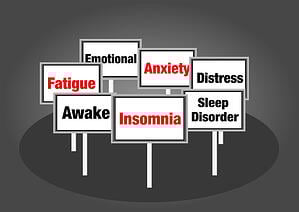
Aside from the symptoms listed above Many people with insomnia report daytime problems such as
Feeling as if sleep was un refreshing non restorative
Experiencing excessive daytime sleepiness
General lack of energy
Difficulty concentrating
Mood and behavior disturbances such as irritability aggression and impulsive behaviors
Difficulty concentrating
Forgetfulness
Decreased performance at work or school
Troubles in personal and professional relationships
Having accidents at work or while driving fatigued
Decreased quality of life
Depression
Types and Causes of Insomnia
Classifying insomnia depends on two different factors duration as in how long it typically lasts and how often it occurs and discovering the underlying cause of insomnia as in whether it is directly associated with another health condition or not
Acute Insomnia and Chronic Insomnia

Excessive worry
Stress
Receiving bad news
Life circumstances
Jet lag
Shift work
Illness
Emotional or physical discomfort
Environmental factors such as noise light or temperature
Stimulants such as nicotine caffeine and alcohol
Poor sleep hygiene practices
Certain medications including some that are used to treat nasalsinus allergies colds depression high blood pressure and asthma
Chronic insomnia is when symptoms of poor sleep quality occur on 3 or more nights per week for a month or longer Causes of chronic insomnia include
Depression
Anxiety
Chronic Stress
Pain or discomfort at night
Causes of insomnia can also be classified as either primary insomnia not directly related to a medical condition or secondary insomnia associated with an existing medical or psychiatric condition
How Can You Manage Insomnia
Establish A Bedtime
Though it may sound immature setting a bedtime is a fantastic place to start when trying to change your sleep pattern Start by keeping track of the amount of time you will devote each day to performing essential tasks Then establish what time you will be going to bed You can do this to set a realistic wake up time and a time to retire to bed Your bodys rhythm will begin to shift when you follow a regular schedule Lastly refrain from pressing the snooze button As incredible as it may sound skipping your alarm will throw you off schedule and possibly cause you to be late for your days activities
Create A To Do List Before Going To Bed
One of the most common issues with insomniacs is that their minds will not stop roaming Worrying about tomorrows major job presentation or what you shouldve said during an altercation two years ago will only make it more challenging to sleep Instead make a list of everything youre thinking about Make a to do list for tomorrows activities another one with random thoughts and perhaps sketch a few images to remove negative memories from your mind Putting your ideas on paper is a terrific method to get them out of your mind and help you sleep better
Switch Off All Electrical Gadgets
Leave all electronic gadgets particularly your smartphone away from the bed Switch them off at least one hour prior to your bedtime if you have to have them in the bedroom The blue light produced by these screens has been shown to interfere with the bodys generation of melatonin a substance that promotes sleep
Consult A Physician
Its okay to see a doctor after attempting all of the ways listed above and more And with insurance like the Medicare Supplement plans it can be easier to do so Remember that however minor and insignificant your insomnia appears it is a severe condition that professionals can treat Talking to a doctor usually results in maintaining a sleep diary attempting psychological therapy and doing lengthy questionnaires
There are over the counter and prescription sleep aid medications available to help with symptoms of insomnia However it is not recommended to use over the counter medications as their effectiveness and side effects may vary and be undesired It is best to discuss possible sleep aids with your primary care physician
If another sleep disorder is the underlying cause of your poor quality sleep troubles a sleep study may be necessary to diagnose and treat the sleep disorder The final and most effective tip is not to lie awake worried if you cant sleep Step out of bed and engage in a relaxing activity until you feel sleepy then go back to bed
If you live in the state of Alaska and believe that a sleep disorder such as sleep apnea restless leg syndrome or narcolepsy made be causing you to experience insomnia schedule a call for a free consultation by clicking the link below with Alaska Sleep Clinic