


Obstructive sleep apnea and eye disorders
In the November year issue of Mayo Clinic Proceedings Mayo Clinic researchers outline several interesting associations between sleep disorders and eye disease

More than 12 million people in the United States have obstructive sleep apnea a potentially serious sleep disorder in which breathing repeatedly stops and starts during sleep Sleep apnea has several types The most common is obstructive sleep apnea OSA which occurs when throat muscles relax and block the airway
Multiple studies have identified OSA as an independent risk factor for the development of several medical conditions including high blood pressure which are related to impairments or alterations in a persons vascular circulatory system With their own complex and sensitive vascular system the eyes can sometimes signal and be affected by systemic vascular problems
Given the vascular consequences of OSA it is not surprising that ophthalmic manifestations exist explains the articles lead author E Andrew Waller MD a Mayo Clinic pulmonologist and sleep specialist
The researchers conducted a literature search focused on sleep disorders and eye disease In the article they discuss a variety of ophthalmic conditions associated with obstructive sleep apnea
Sleep Apnea and Glaucoma
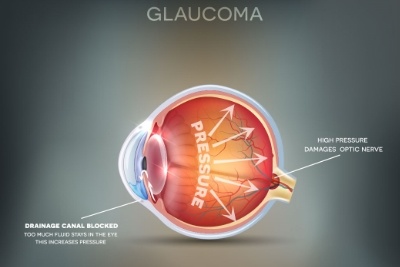
Glaucoma is the second most common cause of blindness and the most common cause of irreversible blindness Obstructive Sleep Apnea is linked to two forms of this disease primary open angle glaucoma POAG and normal tension glaucoma NTG The severity of glaucoma appears to correlate with the number and duration of apnea episodes in patients with OSA
Glaucoma which can be several optic nerve damaging eye conditions is typically caused by high pressure within the eye according to the Mayo Clinic Symptoms are usually slow progressing with vision loss being one of the only signs Certain risk factors like a patients age are well known while ones like ethnicity are less known by the public
A number of clinical studies over the last several years have shown an association between sleep apnea and several glaucoma indicators such as intraocular pressure IOP visual field mean deviation cup to disk ratios and retinal nerve fiber layer thickness
There have been a number of studies showing the reduction in IOP among glaucoma patients following use of a CPAP machine Still the complexities of glaucoma as well as the wide variations in OSA severities make a direct correlation more elusive Some studies have suggested that CPAP therapy can even raise IOP to some degree but many researchers generally agree that the risk is possible in a smaller subset of OSA patients
Even then most researchers and medical experts see the increased oxygen levels attained through use of CPAP and the overall health benefits far outweighing the hypothetical risks The takeaway for OSA patients especially those with severe forms of the condition is to work with their physician and sleep therapist to monitor all physiological conditions and ask questions
How is floppy eyelid syndrome related to sleep apnea
This disorder causes eyelids to evert turn inside out spontaneously during sleep resulting in excessive watering stickiness discomfort and blurred vision While not a serious medical problem this syndrome can signal that a person also has OSA which can lead to more significant health problems
A 2010 study looked at 102 patients with FES and a control group of another 102 patients 90 of study participants with FES also had obstructive sleep apnea
Researchers arent exactly sure why In addition to shared risk factors obesity age it could be that those with OSA have greater tissue elasticity which also affects incidence of FES
According to Dr Brad Sutton OD FAAO of the Indiana University School of Optometry The incidence of sleep apnea in patients with floppy eyelid syndrome FES is essentially 100 Dr Sutton urges his patients with FES to get tested for sleep apnea FES is often treated as eye irritation with drops before the patients are properly diagnosed However finding out if the patient has sleep apnea and then treating the sleep apnea is the best approach as this will likely improve the FES
Dr Suttons treatment approach is three parts
Using a thick lubricating ointment at night
Sleeping with a cylindrical pillow to minimize contact with the eye and the pillow at night
Wearing a firm sleep mask or taping the eyelids down to prevent eversion flipping
If those treatments dont work surgery to tighten the eyelid tissue may be required
Non arteritic anterior is chemicoptic neuropathy NAIONResearch shows an increased incidence of OSA in people diagnosed with NAION This condition is characterized by the sudden painless onset of vision loss in one eye often noticed upon awakening Up to 6000 patients annually in the United States are diagnosed with this condition which can cause irreversible vision loss
Papilledema
People with OSA may have a higher incidence of papilledema swelling of the optic nerve in both eyes Papilledema typically occurs due to increased pressure within the skull and can lead to progressively worsening vision and in some cases blindness
Healthy Eyes and Healthy Sleep
Russell Beach OD who practices in Virginia notes that ocular health issuesincluding floppy eyelid syndrome and normal tension glaucomamay be common in sleep apnea patients Floppy eyelid syndrome can lead to eyelids that dont provide effective protection for the eyes during sleep which can cause dryness severe ocular surface disease and even corneal abrasions Glaucoma is also often linked to sleep apnea because the disorder affects the amount of oxygen being transported to end organs when oxygen concentration to the optic nerve is reduced the nerve becomes susceptible to damage
Dr Beach also recognizes CPAP machines can have an effect on a persons eyes Dr Beach is in a unique position to discuss the effects of sleep apnea on eye health because he has sleep apnea himself
Depending on the severity of the apnea events the condition can be life threatening and the CPAP machine greatly reduces those risks so it should not be discontinued due to ocular irritation Instead the mainstay of treatment has to be protecting the ocular surface The most efficient way to do this is to instill thicker artificial tears just prior to bedtime Gels and ointment artificial tears should be considered
Alaska sleep Clinic works closely with some local ophthalmologists to learn more about the connection between sleep apnea and eye disease Watch the KTUU Channel 2s Moms Everyday segment with Dr Sherry Lentfer from Katmai Eye below
Story Source
Materials provided by Mayo Clinic The authors from Mayo Clinic are Rick Bendel MD ophthalmologist and Joseph Kaplan MD pulmonologist and sleep specialist
wwwthecpapashopcom The author Chris Vasta
wwwemedicinemedscapecom Author Mark Ventocilla OD FAAO
Note Content may be edited for style and length