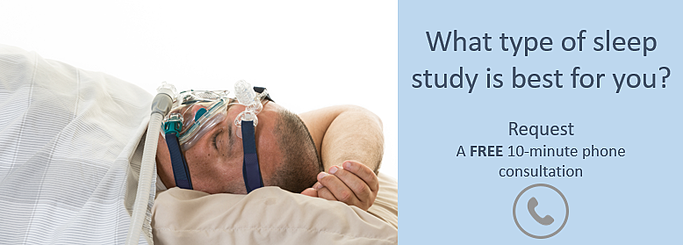


According to the National Healthy Sleep Awareness Project an estimated 25 million adults in the United States suffer from obstructive sleep apnea In fact its believed that over 80 of men and 90 of women with obstructive sleep apnea go undiagnosed which is particularly troubling due to recent research which links sleep apnea to high blood pressure heart disease type 2 diabetes weight gain and more
The good news for those that have been diagnosed with sleep apnea is that it can easily be fixed with professional help Sleep experts can diagnose common sleep disorders and prescribe methods to alleviate sleep issues such as a continuous positive airway pressure CPAP device
Types of Sleep Studies
The first step to relief is the diagnosis which is done through a sleep study Sleep studies are the diagnostic tool used to identify sleep disorders These are performed under the care of sleep professionals in one of two settings in lab or a home sleep test There are pros and cons to each environment but make no mistake Completing an in lab study is proven to be much more effective and controlled than a home sleep test
Home Sleep Test

A home test study is exactly what it sounds like The sleep study is conducted in the persons home in the comfort of their own bed Patients heart rate is monitored through sensors that generally slip over the index finger to measure oxygen levels Breathing patterns are monitored by another set of sensors strapped to the patients chest and a small tube is placed in the nostrils to measure the amount of air the patient breathes through their nose
Home sleep studies are also attractive to those who have high deductible insurance plans or have no insurance simply because they are less expensive Thus the general appeal of the home sleep test is the convenience cost and comfort However just because it is easier and less expensive doesnt mean its the right option
Lauri Leadley a sleep expert and president of the Valley Sleep Center in Mesa Arizona states Home sleep tests are an option when a patient is suspected of having sleep apnea and doesnt have other issues such as congestive heart failure lung disease or other sleep disorders
Also a home sleep test lacks the full array of tools and diagnostics available during an in lab study Home tests only provide measurements not a diagnosis An appointment with a sleep professional is still required to read and interpret the data gathered
Lab Sleep Study

A lab sleep study has a certain connotation that suggests white lab coats sterile machines and a general twinge of discomfort As such sleep study patients often complain that they are unable to relax during their studies However most of these notions are easily debunked once visiting a sleep study clinic
Leadley states that sleep clinics are often furnished with high quality bedding warm and homey furniture and décor and minimal hospital equipment in the room All of this is designed to relax the patient and make them feel more at home
An in lab sleep study will also use more sensors and gather more accurate data Sleep professionals will also monitor your progress throughout the night to ensure everything is running correctly This ensures that the patient is following protocol throughout the study This is superior to a home sleep test in that a home test cannot measure brain wave activity This means that a person lying in bed awake or asleep shows no noticeable difference in a home test
For those of us that are conscious of the cost of an in lab sleep study almost all insurances cover sleep studies According to our research insurance providers may require a home sleep test before conducting a more accurate in lab test
If you live in Alaska and are ready to conduct a sleep study contact the Alaska Sleep Clinic to speak with a sleep professional