

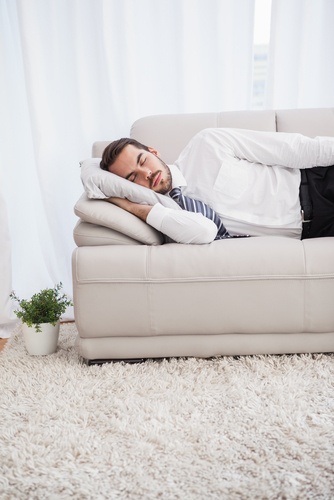
We have internalized messages that label us lazy or unable to handle stress or something similar if we nap during the day If we are sleep deprived we cannot make the best decisions If we become drowsy our bodies will grab little bits of sleep a few moments at a time This causes road accidents if were driving
In Ontario Canada there are signs along the highway
Fatigue Kills
Take A Break
This is true and gives good advice that we should all take In my own experience I was recently reminded of how much benefit a short nap could give After a days work standing on my feet all day hardly a moment to sigh I found myself very drowsy on the drive to a funeral home for the viewing of a dear friend I knew it was dangerous to drive like this and fought the drowsiness as best I could
At the funeral home I sat down while I waited for a friend to arrive and allowed myself a catnap It did not seem like I fell asleep and I relaxed like this for less than 5 minutes but it made a huge difference All my drowsiness was gone for the drive home I found myself alert and surprised at how short a nap had given me so much benefit
Sure a cup of coffee can help keep us awake But a stimulant will not reduce our sleep debt it can even increase it by making it difficult to fall asleep at bedtime Napping is probably the most effective way to manage sleep debt especially in a crisis or when traveling
Some very famous people have been fans of napping Thomas Edison thought that sleeping eight hours a night made people lazy and he boasted about needing only 4 hours per night However he loved napping and probably got eight hours of sleep by taking daytime naps Dr Dement retells an anecdote about Edison thus There is a story that Henry Ford a friend of Edisons once visited the inventor and was told that Mr Edison was not to be disturbed because he was napping I thought Mr Edison didnt sleep much said Ford Oh he doesnt Edisons assistant said sincerely He just naps a lot
Winston Churchill and Lyndon Johnson both napped regularly They made naps a part of their day Churchill even said you should get into your pyjamas for a nap
Naps can be as short as 5 minutes to be effective Most people find naps helpful once they try them but some find an afternoon nap interferes with a good nights sleep Give napping an honest try and see what suits you
The Positive Effects of Napping
There is scientific research to back up the positive effects of napping which are much the same as sleeping well Among the benefits you will receive are
better motor performance important for musicians athletes machine operators and even typists
improved perceptions and decisions important for us all but think what this would mean for pilots
more youthful looks
weight loss you dont have to eat high carb food to keep your energy up
reduced health risks heart problems stroke and even diabetes
increased creativity and memory
People are blind to how close they are to falling asleep Dr Dement did a study where volunteers stayed up all night except for a 2 hour nap from 5am to 7am They sat at a computer and were asked frequently how likely they were to fall asleep in the next 2 minutes The volunteers were terrible at predicting how likely they were to nod off Because their brain waves were recorded there was accurate information on when they fell asleep and they fell asleep often even when they predicted there was zero likelihood of doing so People acknowledge that sleep loss can be debilitating and dangerous but they wont recognize the danger signals in themselves Drowsiness is the last sign of danger before falling asleep so get off the road if you are having trouble keeping your eyes open It could save your life as well as the lives of others
To Do
Try napping during your afternoon dip in alertness
Give yourself permission to nap You are not lazy
Find a quiet space if possible maybe in your car
Sit comfortably or lie down if possible
Use a small pillow on your desk or use a contoured pillow to stop your head from flopping if your head is back against a chair
Use a sleep mask if darkness helps you fall asleep
If a blanket helps you doze off use one
Breathe deeply to relax your body and mind
Play soft music if it helps relax you
If you are hungry eat protein before a nap nuts yogurt turkey or chicken
Dont
Drink coffee or other caffeine drinks before napping
Eat sugar or other high carb foods before napping
Exercise immediately before a nap
If you are afraid you will wake up groggy and irritable take a shorter nap If you nap too long you get to a deeper stage of sleep and then find it difficult to wake up and get going again If you nap for 20 minutes or less you wont have this problem
If youre too busy try a few days with a nap during your low energy phase Dont give up on napping if you feel awkward or cant manage to sleep the first time you try The benefits are real Youll be amazed at how much more you get done when youre rested and energized
For people who dont catch enough Zs during the night daytime naps can improve alertness and motor performance Everybody agrees that if you are sleep deprived you cant learn perform or think very well says Jerome Siegel PhD director of the Center for Sleep Research at the University of California Los Angeles
The balance is understanding why you tend to nap habitually or frequently due to a sudden life change
Two of the most popular reasons that healthy napping is recommended is for stress and moodiness If you are changing shifts at work or experiencing a loss of a pet or family member a nap can help lower your anxiety You may have woken up on the wrong side of the bed Good news A nap can help improve your mood Even 10 minutes can affect your attitude
On the flip side habitual napping can lead adults into depression Unlike children who nap everyday at 2 pm due to the need for metabolism and growth adults who nap daily are more likely to be depressed The World Health Organization estimates that as many as 300 million people suffer fromdepressionworldwide 67 of the US population suffer with 15 million cases
According to Harvard Medical School a variety of studies indicate that between 65 to 90 percent of adult patients with major depression experience some type of sleep problem
If napping is becoming more common due to what you believe is a health condition talk to your family doctor In the meantime take the CNN Health Quiz The science of sleep to determine how much you know about healthy sleeping
If you would like to speak to a sleep specialist about benefits you can receive from napping or if you believe you have a more serious sleep disorder contact The Alaska Sleep Clinic for a free consultation