

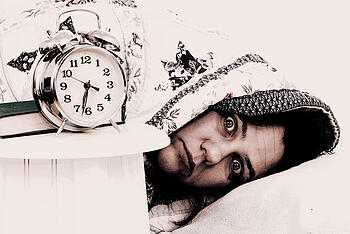
If you break down the word parasomnia you get para which can mean abnormal or incorrect somnia which of course means sleep Indeed something is not normal or correct with the sleep of a parsomnia sufferer
Parasomnias are oftened referred by those in the sleep medicine field as those things that go Bump in the Night since many are associated with some type of movement during sleep
Outside of sleep apnea restless leg syndrome and periodic limb movement disorder many disruptive sleep disorders can be considered a parasomnia And most of them can lead to sleep deprivationafter all even if you get the ideal 7 9 hours of sleep the quality of those hours can be diminished if your sleep cycle is interrupted Here are six common parasomnias that afflict sleepers
1 Sleepwalking
More commonly seen in children sleepwalking also called somnambulism affects about 4 percent of American adults Sleepwalking isnt limited to the spaced out walking you might have once seen in a Popeye cartoonit includes any actions performed while the person is technically asleep Sufferers usually have no memory of their episodes which occur during the deep stages of Non REM sleep early in the sleep cycle
2 REM sleep behavior disorder
More extreme than regular sleepwalking REM sleep behavior disorder RBD typically occurs in males older than 50 Sufferers act out dramatic andor violent dreams during REM sleepa cycle in which the body usually prevents itself from movingand will remember their actions if they are awakened RBD is serious because the sufferer as well as the sleep partner can be injured as a result of the live action dreams
3 Nightmares
We all experience bad dreams once in a while but when they are frequent recurring and painfully vivid they can be considered a parasomnia
4 Night terrors
Unlike nightmares night terrors occur during deep Non REM sleep and sufferers often have no recollection of what made them wake up in a confused frightened state Trying to coax the person back awake or back to sleep usually has no effect Most common on young children night terrors also afflict about 3 percent of adults
5 Nocturnal sleep related eating disorder
Sleepwalkers who on a regular basis get something to eat suffer from nocturnal sleep related eating disorder NSRED Besides being at risk for weight gain from the extra calories they dont realize or remember they are eating NSRED patients can be at risk if they unknowingly eat something they are allergic to or something that isnt a food or by preparing a food eg cutting a bagel or using the stove while not fully awake and possibly in the dark
6 Teeth grinding
Also known as bruxism teeth grindingoccurring involuntarily during the nightcan wake up a sleep partner and can lead to migraines jaw pain and obviously damaged teeth
Does your sleep partner talk in his or her sleep
If a parasomnia is interfering with your nights a qualified sleep specialist can help Contact the experts at Alaska Sleep Clinic
907 770 9104
for a free 10 minute phone consultation