

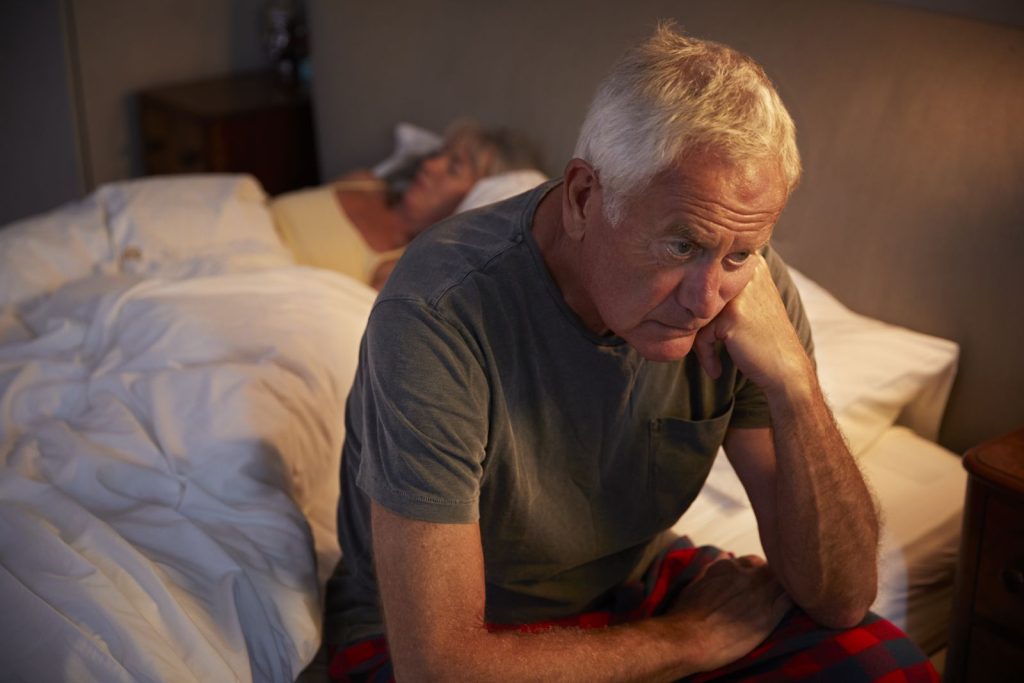
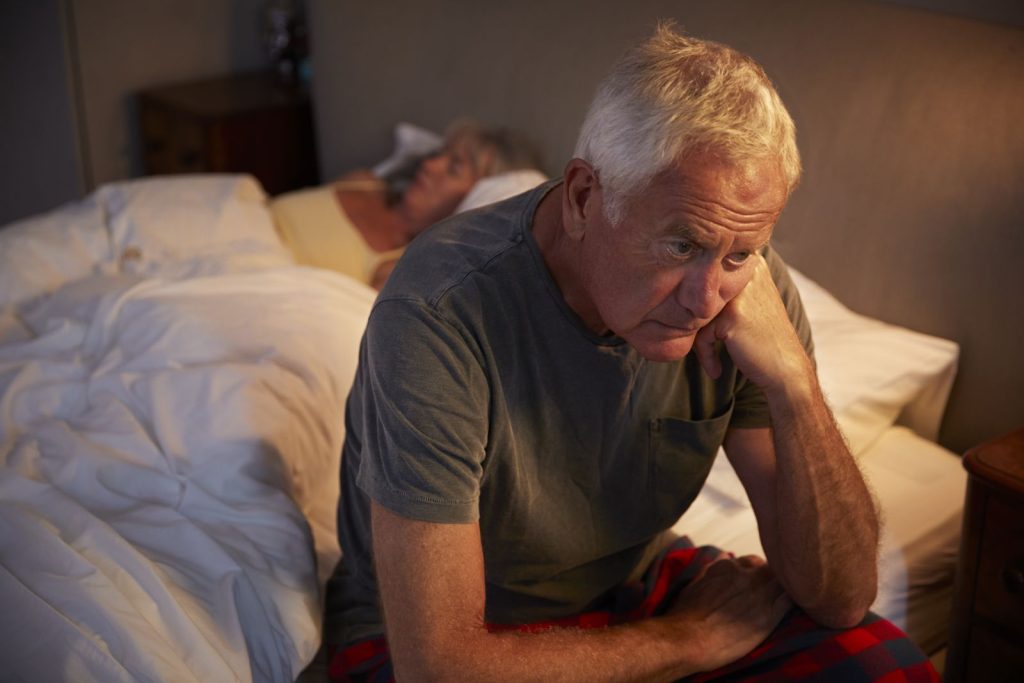
A study published online June 25 2019 by HeartRhythm reviewed four studies and found a link between afib and poor sleep In one study people with afib had more frequent nighttime awakenings compared with those who did not have the condition In the other studies poor sleep quality including frequent nighttime awakenings and less REM rapid eye movement sleep predicted which individuals would develop afib
Its not clear how poor sleep may be a possible risk factor for afib but the researchers noted that other studies have shown that sleep apnea a disorder in which your breathing repeatedly stops and restarts is also associated with a higher risk of afib although the exact reason is unknown
They suggested people speak with their doctor about any sleep problems and try to practice better sleep hygiene for instance by going to bed at the same time each night creating a dark cool sleeping environment and avoiding caffeine and screen time before bedtime
Which Comes First The Stroke or The Sleep Apnea
According to this resource from the NationalStroke Foundation Sleep apnea can be an after effect of stroke but can also be the cause of a first time or recurrent stroke The condition causes low oxygen levels and high blood pressure both of which can increase the risk of a future stroke
Obstructive sleep apnea is associated with an increased risk of stroke in middle aged and older adults especially men according to new results from a landmark study supported by the National Heart Lung and Blood Institute NHLBI of the National Institutes of Health
Overall sleep apnea more than doubles the risk of stroke in men Obstructive sleep apnea is a common disorder in which the upper airway is intermittently narrowed or blocked disrupting sleep and breathing during sleep
Who is Most Affected
Researchers from the Sleep Heart Health Study SHHS report that the risk of stroke appears in men with mild sleep apnea and rises with the severity of sleep apnea Men with moderate to severe sleep apnea were nearly three times more likely to have a stroke than men without sleep apnea or with mild sleep apnea The risk from sleep apnea is independent of other risk factors such as weight high blood pressure race smoking and diabetes
They also report for the first time a link between sleep apnea and increased risk of stroke in women Obstructive Sleep Apnea Hypopnea and Incident Stroke The Sleep Heart Health Study was published online March 25 ahead of print in the American Journal of Respiratory and Critical Care Medicine
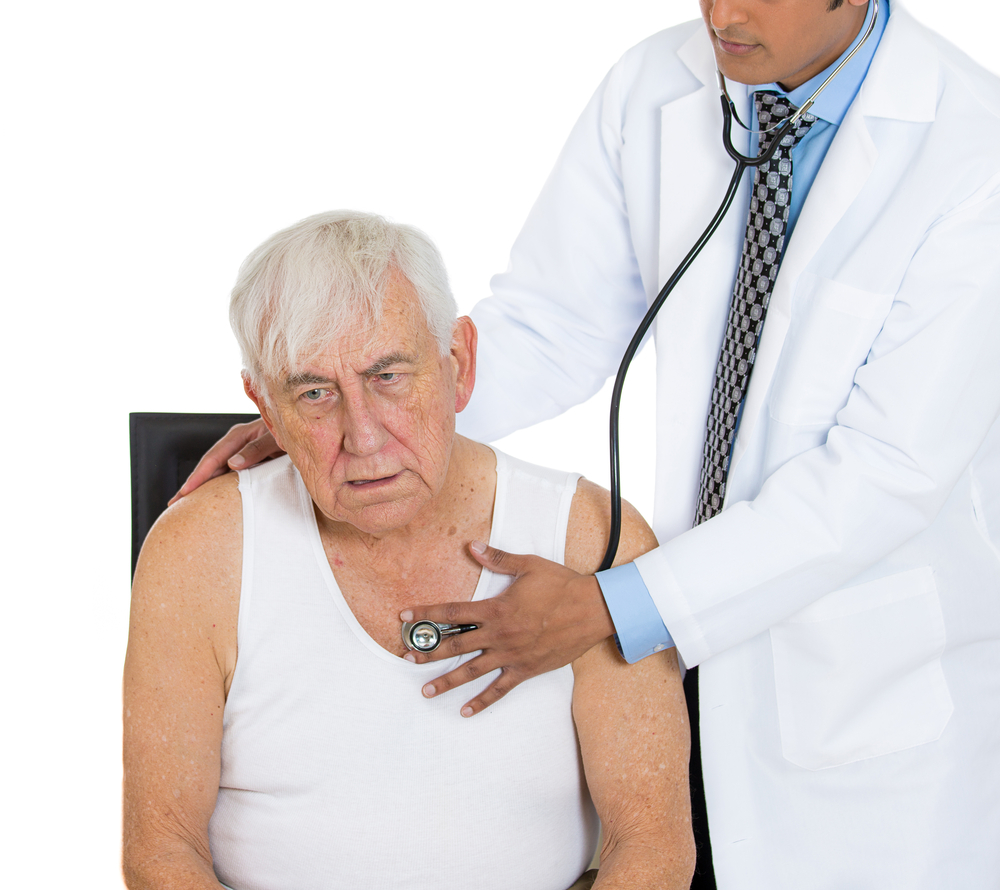
In the latest report researchers studied stroke risk in 5422 participants aged 40 years and older without a history of stroke At the start of the study participants performed a standard at home sleep test which determined whether they had sleep apnea and if so the severity of the sleep apnea
Researchers followed the participants for an average of about nine years
After adjusting for several cardiovascular risk factors the researchers found that the effect of sleep apnea on stroke risk was stronger in men than in women In men a progressive increase in stroke risk was observed as sleep apnea severity increased moderate to severe levels In women however the increased risk of stroke was significant only with severe levels of sleep apnea
What to Do Now
The connection sleep has to your health andor deterioration of it becomes more obvious every day Only by correctly diagnosing and treating your sleep apnea can you improve your overall health and life IF you live in Alaska please call Alaska Sleep Clinic today to speak to one of our board certified sleep specialists