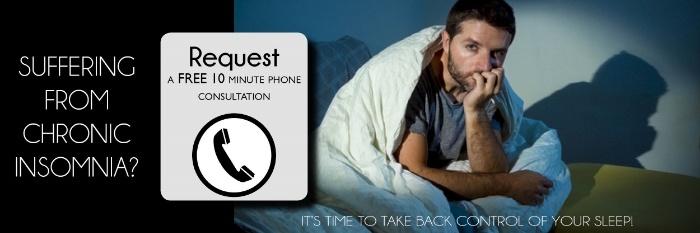



However this connection between sleeping and psychiatric disorders can also work the other way around As a consequence of this unique relationship a person with a mental health problem is more likely to be affected by sleeping disorders such as insomnia or narcolepsy
With more and more people struggling with sleeping and mental health now seems to be the right time to take a closer look at these issues and how they intertwine with each other Here is what we know so far
How Mental Health Conditions Affect Our Sleep
First of all we need to point out that not every sleep disorder stems from problems with mental health Many factors can lower your sleep quality and cause sleeping problems including genetics medications working the night shift or aging Sometimes even the choice of your mattress can have a significant impact on your sleep
With that being said you should constantly evaluate your sleeping habits and act accordingly For example if you like to sleep on your back but wake up after every night with back pain looking for the best mattress for back sleepers might be a more reasonable solution instead of instantly assuming you suffer from depression or anxiety
Nonetheless there is no doubt that a correlation between mental health and sleep issues exists For example studies show that as many as 90 of patients with depression complain about low quality sleep
Here is a list of other common mental health issues that increase the risk of developing a sleep disorder
Bipolar disorder Sleep disturbances are a common sight among people with bipolar disorder Many people affected by this disorder suffer from hypersomnia and nightmares while others have to cope with insomnia and irregular sleep wake cycles
Attention deficit hyperactivity disorder ADHD ADHD by its very nature can disturb the sleep pattern of every person it affects Accordingly as studies show between 25 and 55 of children who have ADHD also experience sleep disorders
Anxiety disorders If someone is dealing with an anxiety disorder such as post traumatic stress disorder PTSD obsessive compulsive disorder or panic disorder they can sleep less deeply Moreover they may suffer from other sleep disruptions like nightmares or sleep talking as well
How Sleep Disorders Affect Mental Health
Sleep disorders are a group of conditions that affect sleep quality They range from insomnia and sleep apnea to restless leg syndrome RLS sleepwalking and narcolepsy All of them are worrying signs as they might be symptoms of underlying mental health issues
Here are some of the signs that may suggest you suffer from a sleep disorder
You find it hard to stay asleep
You have difficulties falling asleep even if you are feeling tired
You are sleepy during the day even after sleeping for at least seven hours the night before
You struggle with doing simple daytime activities
During the night you have panic attacks or nightmares that wake you up
Each of the sleep problems we mentioned above can be the result of mental health issues Nevertheless these symptoms may cause some psychiatric disorders too Among the most common effects of sleep deprivation are memory impairment personality changes and depression
Additionally every sleep disorder can negatively impact the mental state of the person already suffering from mental issues For example the lack of sleep might lower the effectiveness of treatment for someone with PTSD
What is worth noting here is that the relationship between sleep and mental health is complex and still not fully explained Even after many years of research we do not know the exact brain basis for sleeping disorders overlapping with mental health issues
Treatment Options
If you are dealing with sleeping disorders there are many available treatment options that you can try They can improve your sleep quality eliminate some of the most bothersome symptoms and even alleviate symptoms of the mental health issue
Make Lifestyle Changes
The first thing you need to consider is making a few lifestyle changes These include cutting down on alcohol and caffeine avoiding consuming stimulants like soda before bed and giving up nicotine
Try Cognitive Behavioral Therapy
Cognitive behavioral therapy CBT has already helped millions of people who were suffering from insomnia It teaches you to become less preoccupied with falling asleep making the whole process occur more naturally Therefore it can transform your fears of staying up the entire night into confidence that you will get a good nights rest
Create a Nightly Routine
Establishing a nightly routine can help you calm your mind before going to bed If you find it hard to relax in the evening try reading a book or taking a long bath Create a set of habits and practice them daily to set the proper mood for a solid sleep
Remember About Physical Activity
Being more active physically allows you to tire your body a little This factor in turn can lead to deeper sleep and waking up less often during the night
Limit Napping
Limiting napping is a significant part of good sleep hygiene It can help you maintain a regular sleep and wake schedule and fall asleep at night If you nap for more than 30 minutes a day it is a clear sign you should make some much needed adjustments and cut your napping time at least in half
Turn off Your Devices
To have an uninterrupted sleep always turn off your devices before bed As watching TV or using a smartphone can have detrimental effects on your sleep schedule you should limit how much time you stare at their screens This way you will have more time to relax and settle down for sleep
The Bottom Line
With sleeping and mental health problems being one of the most widespread issues in our society we can safely say that both of them require more attention Their effects can quickly diminish the life quality of every person who suffers from them Moreover they can cause one another making themselves even more disruptive in the process It is a massive threat to the overall health and wellness of every person
Fortunately our knowledge about these issues is constantly growing Nowadays every individual who suffers from sleeping or psychiatric disorders can address their problems by exploring various treatment options Hopefully we will have better ways to combat these issues or eliminate them in the future
Impaired sleep can seriously affect your quality of life and productivity Behavioral changes implemented under the guidance of an experienced clinician can improve sleep quality and help you feel more alert and functional on a regular basis Sleep is a third of your life make it count
Alaska Sleep Clinic is the most comprehensive multisite sleep lab in Alaska with clinics in Anchorage Wasilla Fairbanks and Soldotna and we continue to expand our services to those with sleep disorders Angie Randazzo PhD is a specialist in cognitive behavioral therapy CBT with expertise in sleep disorders No other CBT sleep specialist provides care in the state of Alaska She is available to Alaska Sleep Clinics patients via telemedicine through SleepTM
Start Your Sleep Therapy Here