

Insomnia has been one of the most googled terms in the last week. Why do you think so many people are having trouble sleeping during the pandemic?
There’s a consensus that most people need 7-8 hours of sleep under normal circumstances. But taking into account the current worldwide issue of COVID-19, it’s bound to create a lot of anxiety and stress-related to several unknowns that we encounter daily. The current situation also raises the emotional bar, leaving us all with many unanswered questions: What’s going to happen next? What are we going to do? How are we going to deal with it? How’s it going to affect our lives in the short and long term?
The pandemic has created so much uncertainty in our lives, it’s leading to many disruptions and is taking a toll on our sleep hygiene. Good, quality sleep is essential for a balanced and healthy immune system, but when you have so much fear and apprehension, your sleep is going to be disrupted, thus affecting your overall immune system. Unfortunately, these stressors don’t stop with just the health aspects. It also affects us all socially, financially, professionally, etc. So, it’s not unexpected to see our sleep patterns being altered.
Could these disruptive sleep patterns be due to people’s newly altered routines?
Absolutely. Everyone has their own internal clock that wants to stick with a normal 24-hour routine. In order to keep to that routine, we usually work through many social cues, daily habits, and rituals. Unfortunately, when a lot of interruptions are thrown into a person’s daily routine, many things get shifted. Because of this shift and other factors like stress, anxiety, life events or habits that disrupt our sleep, insomnia is often the result. For example, a crisis (or a pandemic), concerns about work, isolation, school, health, finances, and even family can keep our minds busy at night, making it difficult to get an adequate amount of rest.
Is there a link between poor sleep and using too much technology?
In general, yes, but not specifically related to COVID-19. Everyone needs to put down or turn off all technology before bedtime including the television, tablets, smartphones, and other devices. The blue light that’s emitted can delay the release of melatonin in the body, increase alertness and even reset the body’s internal clock to a later schedule, disrupting the natural circadian rhythm.
However, during the current pandemic, the use of technology is going to increase due to more time spent at home. But just as we’ve said before COVID-19, you need to unplug and give your body and mind time to power down and reboot. Take a break from the news cycles and social media and allow your internal body clock to reset.
Why is sleep so important right now?
Sleep is always important, but right now it plays an integral role in your immune system.
 Eating right, proper exercise, and adequate sleep all increase your body’s immune system. Whereas sleep deprivation weakens the body’s defense system and makes people more vulnerable to contracting illnesses.
What can people do to overcome insomnia, disrupted sleep, or waking up in the middle of the night?
There are many things people can do to get back on track with their sleep. Try implementing a few of the following suggestions or lifestyle modifications:
Establish a routine. Be consistent with your daily rituals. Also, make sure you wake up and end your day at roughly the same time.
Eat a healthy diet. It’s important to eat a balanced diet and include plenty of fruits, vegetables, and lean proteins to keep your immune system pumped up and ready to go.
Exercise daily. Regular physical activity can greatly improve the quality and duration of your sleep. It can also help control your stress and anxiety. However, exercising immediately before bed can stimulate your body, so be sure to finish your workout several hours before bed.
Limit activities in your bed. It’s important to establish a positive association that your bed is for sleeping. Try to avoid working on your computer, watching television, making phone calls or even reading. Many of these activities can increase alertness, making it difficult to fall asleep.
Try a calming app. If you’re feeling overwhelmed, stressed or anxious try utilizing a relaxation app during the day to help with any anxiety, fear or apprehension. Don’t be afraid to incorporate some relaxation techniques into your bedtime ritual. You can even try engaging the whole household to help establish the new ritual. It may help improve everyone’s sleep habits.
Avoid or limit naps. Frequent napping can affect the quality of nighttime sleep. However, if you do enjoy a nap make sure it’s no longer than 30 minutes.
Regulate temperatures. Make sure the temperature in your bedroom or home isn’t too hot. It’s been suggested that the optimal bedroom temperature should be between 60-67 degrees Fahrenheit for ideal sleeping conditions.
No food or drink right before bed. It’s best to avoid alcohol and stimulants like caffeine or nicotine. The effects of these items could last for hours and cause difficulty initiating sleep or even cause frequent awakenings. Also, try not to eat large meals or spicy food before retiring for the night. These could activate your digestive system, causing reflux or heartburn and keep you awake.
Be mindful. Listen to your body and remember to take time for self-care.
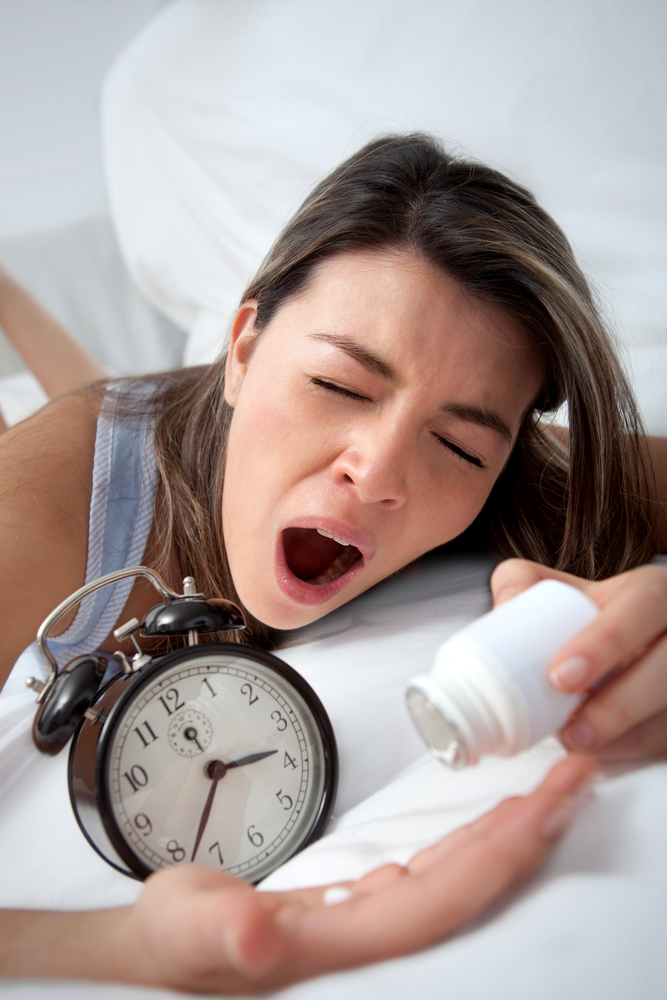
Should people use medication or more natural remedies?
In most cases, insomnia is non-pharmacological. We do not recommend using medication or even utilizing over-the-counter options to treat or alleviate insomnia. Instead, we suggest natural avenues and lifestyle changes or modifications help people get back on track with their sleep patterns.
If you are struggling with insomnia and disruptive sleep patterns, please talk to your primary care provider to see what efforts can be done before turning to medication. They can help you make the best and most informed decision for you.
Also, as we continue to progress through this unprecedented time, please follow the guidelines the Centers for Disease Control and Prevention (CDC) and health officials are recommending to keep you, your loved ones, and the community safe.
Consistent restful sleep
Whether you are trying to turn around chronic problems with sleep or deal with getting a good night’s rest, I recommend good sleep hygiene. Here are some strategies for a 24-hour-a-day practice:
Get up at the same time every day no matter what, even when you go to bed later than usual. This is especially important now when normal schedules are disrupted.
Get exposure to sunlight. Take a walk or at least sit outside. Exposure to light in the morning — even on a cloudy day — resets your brain clock. Without it, your circadian rhythm and sleep-wake schedule will be delayed.
Limit caffeine after 2 p.m.
Exercise in the late afternoon or evening, but at least four hours before bedtime. Cooling down the body after exercising promotes good sleep.
At night, use the night mode on smartphones and tablets. But avoid LED screens and monitors of any kind within one to two hours of bedtime, especially nowadays when much of what we are watching is anxiety-provoking.
Go to bed when you’re ready to sleep. Try to set a bedtime that will get you seven or eight hours of sleep. But if you’re not sleepy, don’t get into bed until you are. Don’t worry if you won’t get seven or eight hours of sleep on any given night. That just makes it more difficult to fall asleep. You can make up for sleep loss in naps the next day if need be.
I suggest trying to set aside 30 minutes earlier in the day for worrying and limiting yourself to that period.
For many people, that is easier said than done. For those who need help, Alaska Sleep Clinic has the most telemedicine experience in the state. You can call any of our four labs in Anchorage, Fairbanks, Soldotna, and Wasilla to schedule telehealth.