

AtThe Alaska Sleep Clinic we want to help you on your road to healthier sleeping habits Thats why weve created a guideline to help you through the steps from when to contact a doctor to methods of diagnosing OSA and treatment options
When Should You Contact Your Doctor or a Sleep Specialist About Obstructive Sleep Apnea
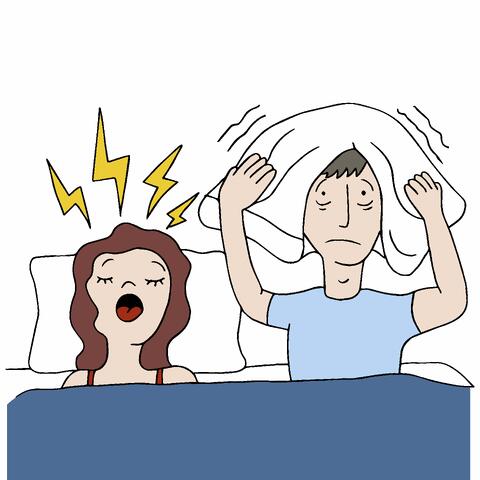
If your snoring is loud enough that it disturbs your or your bed partners sleep on a regular basis
If you have regular intermittent pauses in breathing during sleep
If you often wake from sleep because of shortness of breath or difficulty breathing comfortably
If you have chronic morning headaches
If you are feeling excessively sleepy during the day or often fall asleep at inappropriate times
Be Prepared for your OSA Doctors Appointment

If you schedule an appointment with your primary care provider or a sleep clinic you should begin keeping a sleep journal about 2 weeks prior to your visit In the journal document your nightly sleeping habits and behaviors Write down things like what time you went to bed what time you woke up how often you awoke in the middle of the night how rested and alert you felt the next day how sleepy you felt during the day
Ask your bed partner for input regarding your sleeping habits as they may have noticed some of your nocturnal activities that you may not have been aware of
If youre aware of any family history of OSA make sure to mention it to your doctor as obstructive sleep apnea can be hereditary
Figure out when your symptoms began Have they always existed Did your symptoms increase or begin as you aged Did your symptoms increase as you gained weight or stopped exercising
Methods of Diagnosing Sleep Apnea
Physical Examination In some cases a doctor may administer a simple check of your mouth throat and neck to determine if you have OSA In these physical examinations the doctor is looking for abnormalities or excessive fatty tissues of the uvula tongue soft palate or checking for enlarged tonsils and adenoids With children doctors often only need a physical examination to determine that tonsils and adenoids are the cause of obstructive sleep apnea

Polysomnography PSG If your doctor believes you may have moderate to severe OSA he will probably refer you to a sleep specialist for a sleep study During the sleep study you will spend the night at a sleep clinic where you will be hooked up to diagnostic machines that measure and record your heart lung and brain activity breathing patterns arm and leg movements body positions and blood oxygen levels while you sleep These tests are painless and non invasive and generally take six hours to complete
Home Sleep Test HST If you live far from a sleep clinic uncomfortable sleeping away from home or cant afford the full in lab PSG sleep test an HST might be best for you While not as in depth of a study as a PSG an HST is a test that you can take home overnight for a similar assessment An HST monitors airflow respiratory effort breathing patterns blood oxygen levels and even body positions The information is either transmitted wirelessly to the sleep clinic or stored on a memory card for later drop off
Treatments for Obstructive Sleep Apnea
Depending on the severity of your obstructive sleep apnea your doctor or sleep specialist may recommend some remedies ranging from lifestyle changes to therapies or surgical procedures
Lifestyle Changes
For those with mild OSA a few lifestyle changes may be all that is needed in helping you get back to having regular restful sleep For those with moderate to severe OSA the lifestyle changes will still be helpful but coupled with other treatments

Diet and exercise Being overweight or obese increases the likelihood of acquiring OSA Larger people have more fatty tissue built up in the throat and thicker necks that aid in choking off the airways during sleep Reducing the fatty tissues through routine diet and exercise can have a dramatic positive impact on the quality of ones sleep
Cut back on alcohol consumption This is important especially before bedtime Alcohol relaxes the throat muscles allowing them to collapse into the airways and cause an obstruction Not drinking alcohol 3 hours before bedtime can help alleviate the likelihood of blockage
Quit smoking Smoke is an irritant that causes inflammation of the sensitive tissues in the throat and lungs producing swelling of the tissues that aid in obstruction
Sleep on your side Sleeping on your back at night permits your tongue and throat muscles to relax easier and fall backwards into your airway For those with mild OSA simply changing sleeping positions can relieve obstructions
Therapy for Obstructive Sleep Apnea

Positive Airway Pressure PAP The majority of OSA sufferers symptoms are often relieved through the use of a PAP machine PAP machines are devices that use masks that fit over the wearers nose nose and mouth or full face and deliver a gentle force of air that pushes past the blockage to allow for easier breathing at night There are 3 kinds of PAP machines for differing needs but the CPAP therapy is the most common
Continuous Positive Airway Pressure CPAP A CPAP device includes a breathing mask that sleep apnea sufferers wear when sleeping Just enough consistent air pressure is delivered via the mask to the patients airways to keep the tissue that otherwise would collapse and cause breathing pauses and snoring from closing during sleep CPAP devices are effective in treating sleep apnea but do not cure the disorder If you discontinue using your CPAP device your sleep apnea may return
Automatic Positive Airway Pressure APAP Automatic or autotitrating positive airway pressure adjusts to the air levels sleep apnea patient needs throughout the night An APAP can detect if the patients apnea is spiking and increase the air pressure then decrease the flow if the sufferer is at a peaceful non snoring state APAP therapy is useful for people who cant get comfortable with a CPAPs air pressure or for people with seasonal allergies whose breathing might be affected at different times during the night
Bilevel positive airway pressure BPAP Bilevel positive airway pressure is similar to CPAP except that BPAP adjusts the level of air being delivered depending on whether the patient is inhaling or exhaling During inhalation an electronic sensor tells the BPAP to send more air through the mask to clear the apnea causing obstruction When the user exhales the air pressure is reduced This decrease is helpful for sleep apnea sufferers who have a rough time breathing out against the constant pressure of a CPAP machine
Adaptive servo ventilation ASV The Adaptive servo ventilation device monitors breathing and adjusts air flow appropriately through the mask to match how the patient would be normally breathing if awake This adjustment can be made quickly as soon ASV detects that the patient is not breathing correctly as is the case with central sleep apnea when the brain doesnt signal the body to take a breath When the patient exhales or after the patient resumes a normal breathing pattern ASV adjusts the pressure again
Oral Appliances
Mandibular advancement devices Often used for snorers mandibular advancement devices MADs also can be helpful in curbing sleep apnea MADs look like sports mouthguards and push the lower jaw down slightly just enough to pull the tongue forward and help open the air passage
Tongue retaining mouthpieces Also common as a snoring treatment tongue retaining mouthpieces are worn in the mouth and change the position of the tongue during sleep The flow of air through the users mouth becomes less obstructed and may help lessening obstructive sleep apnea
Surgery for obstructive sleep apnea
Some patients find wearing a PAP machines mask or using an oral appliance too inconvenient Most often its because they have difficulty wearing a mask on their face a device in their mouth or find the pressure of air blown into their nose throughout the night uncomfortable
For the non compliant surgical alternatives for obstructive sleep apnea may be a practical alternative
However as OSA can be caused by different obstructions the type of surgery will be specific to each individual Some of the most common forms of OSA related surgeries are
Uvulopalatopharyngoplasty UPPP A procedure in which soft tissues in the back of the throat are removed The tissues removed are from the uvula the little soft flap of tissue that dangles in the back of the throat and parts of the soft palate If tonsils and adenoids are still intact they are often removed as well
Adenotonsillectomy Surgical removal of enlarged adenoids and tonsils is usually the first line of treatment in children with obstructive sleep apnea
Nasal Surgery For OSA sufferers whose symptoms are often caused by a deviated septum the straightening of the nasal passages or removal of the deviated cartilage can help free up the blockage causing snoring and OSA
Maxillomandibular Advancement MMA In this surgery upper and lower parts of the jawbone are moved forward It creates an enlarged space behind the tongue and soft palate making obstructions less likely

Tracheostomy In the most severe and potentially life threatening cases of
obstructive sleep apnea it may be recommended that the patient undergo a tracheostomy In this surgical procedure a permanent opening is made in the throat to the windpipe where a breathing tube is inserted The breathing tube has a valve that is closed during the day for regular breathing and speaking and opened at night When opened during sleep air enters the lungs through the tube rather than through the upper airways allowing airflow to bipass the obstruction by entering beneath it
What Can Happen If My OSA is Left Untreated
Its important that you address your OSA symptoms early to avoid any further health complications that can arise from untreated obstructive sleep apnea These complications can range from the severe and potentially fatal to mild or moderate daily nuisances
Cardiovascular problems Untreated obstructive sleep apnea can cause a strain on your heart as sudden drops in blood oxygen levels that occur during OSA increases your blood pressure High blood pressure hypertension increases the likelihood of a number of heart diseases and complications
Abnormal heart rhythms arrhythmia
Greater risk of coronary artery disease
Greater risk of heart attack or heart failure
Greater risk of having a stroke

Daytime fatigueUntreated OSA keeps your body and mind from getting a full nights sleep as you continuously wake because of breathing obstructions disturbing your sleep This leaves sufferers feeling tired and groggy throughout the day People with untreated OSA have a higher likelihood of work related accidents and driving related accidents resulting from lack of restful sleep at night
Complications with medications and surgery Medications such as sedatives narcotic analgesics and general anesthesia all aid in relaxing your upper airways that can further complicate your OSA
Other Problems associated with untreated OSA
Memory problems
Morning migraines due to reduced blood oxygen in the brain at night
Mood swings
Depression
If you have any questions or concerns regarding obstructive sleep apnea or any other sleep related questions feel free to contact The Alaska Sleep Clinic for further information and be on your way to getting the nightly rest you need