



Steve Allender noted, “We crave and depend on healthy relationships to feel connected, satisfied, hopeful, and cared for. And yet, cultivating healthy, long-lasting relationships is one of life’s greatest challenges.” In this pursuit, we often overlook a critical factor: the profound impact of sleep on our emotional intelligence (EQ).
Research confirms that quality sleep is not just about physical rest; it’s fundamental to our ability to navigate our relationships and manage our emotions effectively. Emotional intelligence, the capacity to perceive, understand, manage, and reason about emotions, is vital for a fulfilling life.
When we sleep well, we enhance our self-awareness, empathy, and communication skills. Sleep deprivation can impair these abilities, affecting our relationships and overall well-being. Strong mental health and good relationships improve sleep, while poor sleep can worsen mental health and strain social connections.
Sleep Deprivation
Sleep loss heightens our emotional responses, making us more prone to overreacting to minor stressors. Research indicates that sleep deprivation increases amygdala reactivity, the brain region responsible for processing fear and threat responses. This means that even small irritations can trigger intense emotional reactions.
Sleep is crucial for consolidating emotional memories, which are essential for understanding and responding to social cues. When we’re sleep-deprived, our ability to recall and process emotionally charged events is diminished. This can result in difficulty recognizing facial expressions, interpreting vocal tones, and understanding situational contexts, all of which are vital for empathy and effective communication.
Brain imaging studies have shown that sleep deprivation weakens the connection between the amygdala (emotional processing) and the prefrontal cortex (emotional regulation). This disconnection makes it harder for higher-level cognitive functions to control emotional responses, leading to increased impulsivity and emotional volatility.
Enhancing Sleep for Better EQ
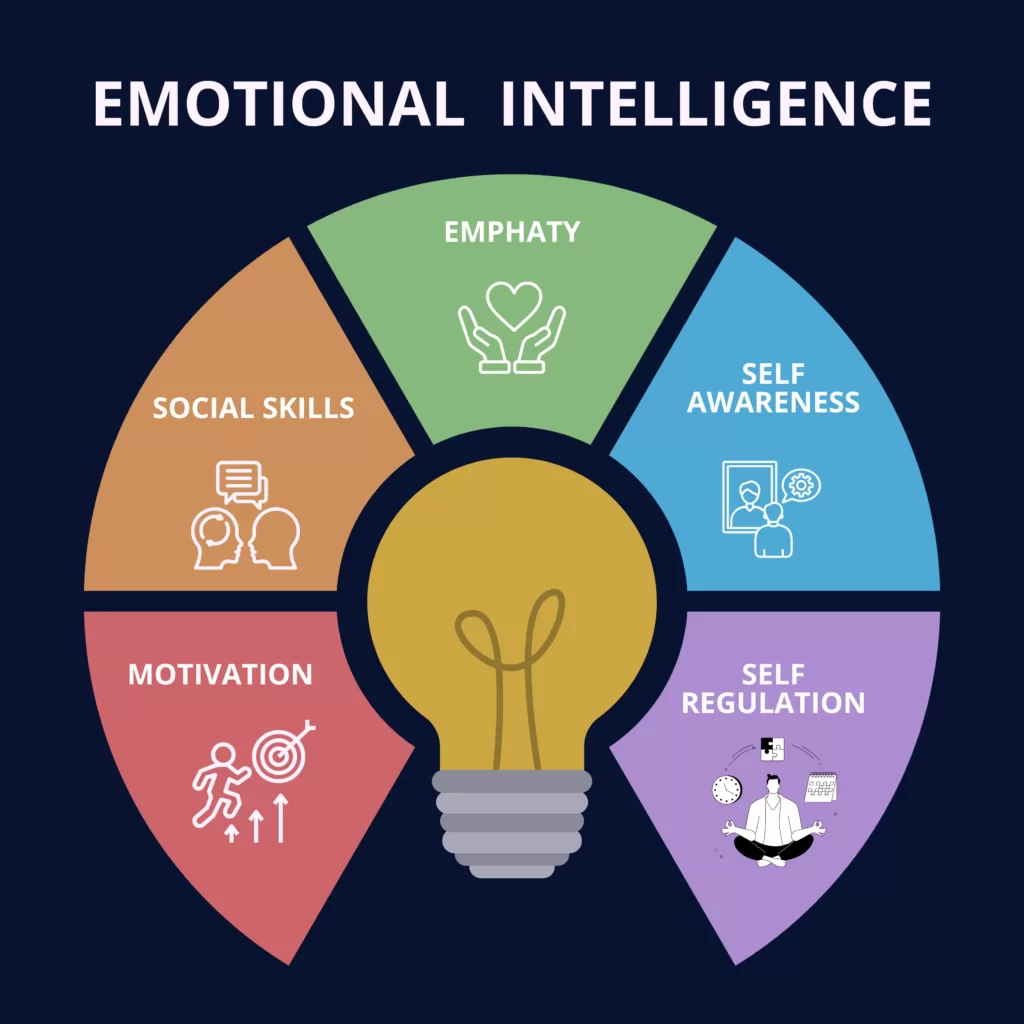
Prioritizing sleep allows the brain to recharge and restore these crucial neural pathways, enhancing our ability to regulate emotions and interact effectively with others. Quality sleep is not just about the number of hours; it’s also about the depth and consistency of sleep cycles.
To improve your sleep and, consequently, your emotional intelligence, consider these tips:
- Go to bed and wake up at the same time every day, even on weekends, to regulate your body’s natural sleep-wake cycle.
- Engage in calming activities before bed, such as reading, taking a warm bath, or practicing mindfulness.
- Ensure your bedroom is dark, quiet, and cool.
- The blue light emitted from electronic devices can interfere with sleep.
Consistent, quality sleep actively strengthens your emotional intelligence. While you sleep, particularly during REM cycles, your brain processes and consolidates emotional experiences, which refines your ability to recognize and respond to emotional cues. This process enhances empathy, allowing you to better understand and share the feelings of others.
Sleep provides the foundation for emotional resilience, fostering self-awareness and improving your capacity to build and maintain healthy relationships. If you have been doing the important work of emotional intelligence and still have issues with sleep deprivation stemming from interpersonal issues, a visit to your physician may be needed. The Alaska Sleep Clinic is here to help with your mental health needs in your sleep journey.