


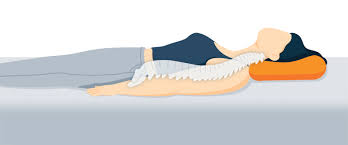
Although changing your sleep position can be difficult there are a number of things you can do to make the transition easier If you want to train yourself to sleep on your back you should consider the following things your mattress your pillows support for your joints and bedtime stretching
How To Transition To Back Sleeping
Although according to PubMed the predominant sleep position for most adults is the side some people may wish to transition to sleeping on their back for medical or other reasons To those wishing to do so we offer these tips to help the transition
Start with the Right Mattress
One of the most critical considerations when it comes to training yourself to sleep on your back is the type of mattress you choose Both the model of the mattress and the material from which it is made can have significant effects on you that vary according to your sleep position
For example if you sleep on your side you might want to invest in a memory foam mattress to help alleviate pressure from your shoulders and hips the two regions of the body that endure the most pressure when side sleeping A memory foam mattress is firm enough to keep your spine aligned without being so firm that your waist and other such regions get no real support Those are just a few minor tips for side sleepers Lets return to back sleepers
If you sleep on your back you must find a mattress that strikes a balance between being too firm or too soft If the mattress is too firm the small of your back may be poorly supported throughout the night Alternatively if the mattress is too soft you may find that your rump sinks down too much and creates its own peculiar problems
Make Use of a Firm Pillow or Two
Another issue to consider when transitioning from one sleep position to another is the type and number of pillows you use and where you use them Ideally the pillows you use should complement the mattress youve already selected Additionally pillows can be used in a number of places you might not suspect Pillows can be used to support
Your Neck A good pillow for the neck when you are sleeping on your back is one that keeps it aligned with the spine You dont want a pillow or pile of pillows that lifts the neck so high your chin is approaching your chest Nor do you want the reverse a pillow so small your head falls back pointing your chin away A happy medium is what you need
Your Lower Back The extent to which you may need a pillow on your lower back is in part determined by the support your mattress gives you A firm mattress may leave a gap between it and your lower back To compensate you can sometimes place a small pillow to fill that gap and thereby support your back throughout the night
Your Knees Using pillows between your knees is usually more commonly associated with side sleeping than with sleeping on your back However there may be times when it might be desirable and beneficial to place a small pillow behind your knees to give them extra support during the night This will help a back sleeper prevent stress and tension from developing in those joints
All Around You Lastly if you need to keep yourself in the supine position while sleeping but find that you are having difficulty doing so you can surround yourself with a host of pillows as you sleep These can help prevent you from rolling over into alternative sleeping positions you want to avoid
These are four common areas that can make use of pillows Additionally it is worth pointing out that there are now on the market specialized pillows for certain chiropractic purposes For example there are specialized chiropractic pillows for the neck as well as certain specialized pillows and foam blocks for the knees Both of these can be useful if used correctly
Support Your Joints
Regardless of whatever other steps you take to help you sleep on your back make sure you dont forget to support your major joints as well As noted above most joint support can be handled with the judicious use of specialized pillows You can support your neck your knees and your lower spine often with a single pillow placed in the right spot
The goal is to avoid awakening with a stiff neck stiff knees or whatever You want to get up and get going You dont want to waste an hour or two trying to work through a series of stiff joints
Do Some Stretching Before Bed
Stretching is a great way to prepare for bed when you want to sleep on your back or just to get to sleep in general Stretching can be used to help loosen muscles and joints so that you sleep more easily and more deeply without waking up to unpleasant stiffness and pain
Of course as with any other type of exercise or stretch if you find yourself developing pain as you stretch as a result of an injury or other medical condition you have you should stop immediately You dont want to over exert yourself or do more damage to an already existing injury
What Are the Benefits To Sleeping On Your Back
There are numerous health benefits to sleeping on your back First there are the benefits or perhaps the necessities that come with sleep any sleep it allows the body to rest and recuperate and prepares us for the next day etc As for sleeping on the back in particular there are the following benefits
It aides the healing processes
It reduces psychological stress
It reduces psychological ailments
It can help with whiplash and other medical issues
There are also specific benefits for sleeping on your side as well Some peoples medical conditions will suggest they try one or the other In such situations you should seek the advice of a sleep specialist or other medical professional
How Does Sleeping On Your Back Affect Your Posture
Generally speaking assuming you have provided the relevant joint support noted above sleeping on your back or on your side is usually pretty good for your posture However the best way to sleep is to cycle through different positions throughout the night That is sleep on your back then your side then your other side and so on Most people do this naturally And in the end this process keeps your posture better aligned and joints less stressed than any individual position by itself
Still sometimes medical and sleep issues can cause misalignments Should you suffer from poor posture brought on by certain sleep issues or what have you we recommend you set up an appointment with your local chiropractor to deal with that posture issue
We have all experienced it You wake up on the wrong side of the bed But it is more than that sometimes Sometimes you sleep a full 8 hours but you did not sleep in the position best suited for your body Neck cramps headaches and back pain immediately set in and stay the remainder of the day
The National Sleep Foundation found only 8 percent of Americans chose to sleep on their back But guess what It remains the healthiest In this position the head neck and spine are neutral and not in an awkward unnatural position
With each person having their own sleeping position or rituals there really is not the best option But it is important to understand which position is best for you and if there are any medical issues between you and 8 hours of sleep
In order to maximize your sleep visit your local sleep clinic If you live in Alaska click on the link below to connect with a professional sleep specialist