

Continuous Positive Airways Pressure, or CPAP, is widely regarded as the best treatment available for obstructive sleep apnea. When properly set and consistently used, it is highly effective, though early on tolerance and compliance can be an issue. It may be easy to tell when a CPAP machine is working, but what are signs that it is not working anymore? Consider some of the major indications that your CPAP machine and equipment may need to either be adjusted or replaced. Here are some of the more typical scenarios:
“My CPAP just isn’t working.”
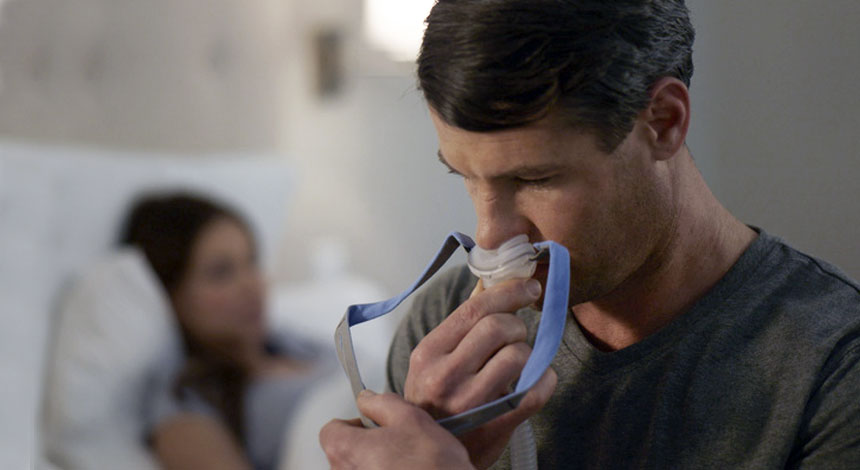
Though this is the most obvious sign that the CPAP is broken there can be other signs that something is amiss If your heated humidifier tank does not need to be refilled more than once every 2 to 3 days this may suggest that the temperature and humidity settings need to be adjusted If the water never goes down the humidifier may not be working at all If the hot plate under the water chamber is not warming this could be a problem
Some evaporation will occur as the air passes over the water but it will typically be at a much slower rate if the heating element isnt working If the air feels uncomfortably cool this may be further evidence of its dysfunction In addition if you have heated tubing and water is condensing inside of it this may suggest that the humidity setting is too high or that the tubing is either not connected properly or just isnt working
The machine may also become noisier or fail to generate an adequate airflow often less than it did previously
I still snore or have apnea when using my CPAP
Snoring should never occur with an adequate CPAP pressure If the CPAP device is set properly the constant flow of air will keep the airway from collapsing and will also eliminate the vibration of tissue that causes snoring If you are snoring with your CPAP mask on and mask leak is not the issue the pressure likely needs to be increased to be fully effective
In addition witnessed pauses in breathing or episodes where you wake up gasping or choking when using the treatment are signs that the pressure is improperly set The apnea hypopnea index AHI indicates the number of breathing disruptions that occur per hour of sleep If the AHI is greater than 5 as can sometimes be provided on the CPAP display in the morning or with associated apps the pressure should be increased
I you experience these difficulties you should speak with your sleep doctor about having the pressure adjusted
I feel worse again despite still using my CPAP

Some people notice a significant improvement with the use of CPAP in a matter of days or weeks This may be experienced as fewer awakenings more refreshing sleep decreased daytime sleepiness or improvements in concentration short term memory or mood Over the long term other conditions associated with untreated sleep apnea may improve such as high blood pressure heart failure or diabetes If the symptoms that prompted your evaluation for sleep apnea return this could suggest that the CPAP is not working optimally
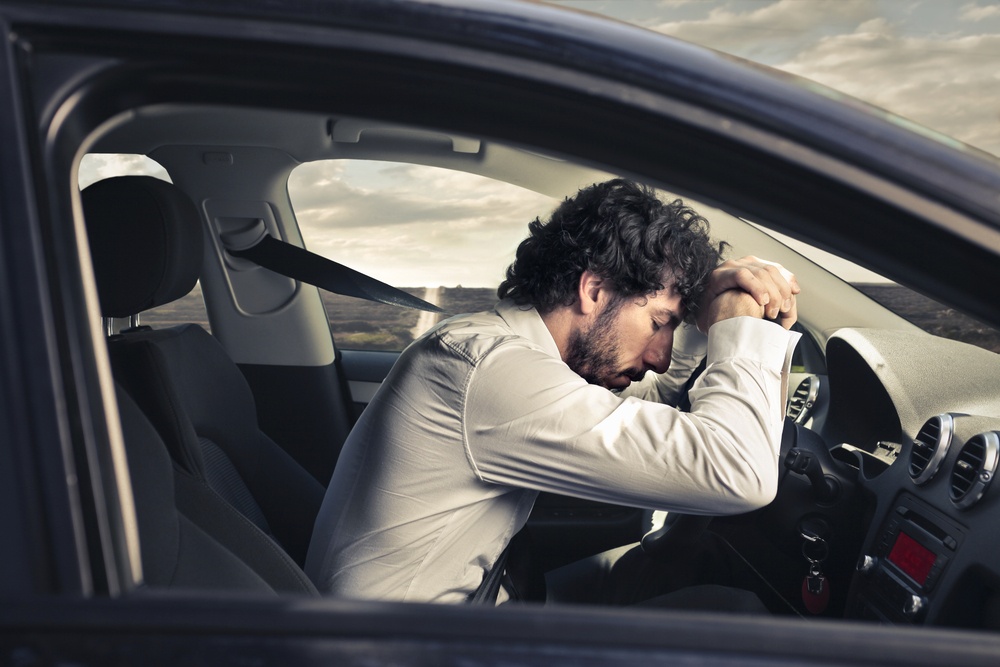
The most common complaint would be the return of excessive daytime sleepiness often manifest by prolonged or frequent daytime naps This could be due to unrecognized mask leak or even an inadequate treatment pressure Weight gain alcohol use near bedtime and aging may all lead to the need to increase CPAP pressures
Therefore if you find that your symptoms have recurred check in with your sleep doctor to see if things can be improved by adjusting your setting
I am not sure how long I have had my CPAP
Unfortunately CPAP machines do not last forever If your machine starts to make a funny noise doesnt seem to generate the same pressure as before or is otherwise being temperamental it may simply be time to replace the device In general most insurance companies will pay to replace the CPAP machine every 5 years These devices do have some degree of built in obsolescence meaning that they will gradually begin to fail and require replacement with a new device Therefore if your CPAP is old enough and it is not working well it may simply be time to replace it Fortunately newer models often are quieter have enhanced features and are often easier to use compared to the older generations of equipment
If you believe that your CPAP machine is not working properly dont suffer in silence Call your equipment provider or sleep specialist and get your treatment back on trackTo ensure your treatment is effective and that you receive maximum benefit from your therapy Alaska Sleep Clinic strongly believes in and provides excellent follow up care through our SleepN program at No extra charge to youEVER