


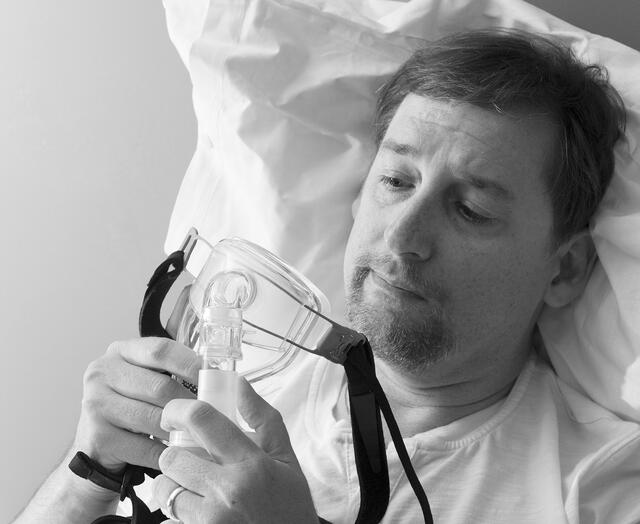
Routine maintenance and cleaning of your machine will not only extend the life of your device but it will allow you to get the best therapy possible A dirty or worn out machine delivers low air quality and low pressure
Cleaning BiPAP Humidifier
Your BiPAP machine will most likely come with a heated humidification system This help cut down on morning dry mouth as well as keep your nasal passages from drying out and becoming irritated and inflamed
However the humidification chamber needs to be cleaned out daily to prevent bacteria build up as well as calcification The following steps are what you must do daily weekly and monthly to keep your humidifier in tip top shape
Daily
Remove the chamber from humidifier carefully so water doesnt enter your BiPAP machine
Open the chamber and wash with warm soapy water
Rinse well with water and allow to dry on a clean cloth or paper towel out of direct sunlight
Fill with distilled or sterile water Do not use tap water as it may contain minerals and chemicals that can damage components of the machine It is also not recommended to use filtered water ie through a Brita filter for the same reasons
Weekly
Once a week the humidifier chamber should be soaked in a solution of 1 part white vinegar 3 parts water for approximately 15 20 minutes before rinsing thoroughly with distilled water
Some humidifier chambers are dishwasher safe allowing you to wash in the dishwasher weekly Make sure to check your BiPAP machines manual before cleaning in a dishwasher
Monthly
Humidifier chambers should be replaced every six months or as needed
CPAP Mask Cleaning
Most BiPAP mask cushions are made of silicone a gentle nonirritating material However while silicone is a very comfortable material for masks it doesnt have a very long lifespan and without proper care can breakdown quicker than expected Cleaning your CPAP mask is crucial in making it efficient as possible The following steps are what you must do daily weekly and monthly to care for your mask
Daily
Wash your mask daily with warm water and mild unscented soap or purchase BiPAP mask specific wipes and detergents
Rinse with water and allow to air dry on a clean cloth or paper towel out of direct sunlight
Nightly
Before using your mask at night wash your face thoroughly and dont use facial moisturizers Facial oils and moisturizers can break down the silicone faster
Weekly
Once a week soak your mask in a solution of 1 part white vinegar 3 parts water before rinsing in distilled water
Headgear and chinstraps should be washed as needed by hand using warm soapy water rinsed well and air dried Do not place headgear or chinstraps in the washing machine or dryer
BiPAP tubing should be cleaned weekly in a sink of warm soapy water rinsed well and left to hang dry out of direct sunlight
Monthly
For replacement schedules of BiPAP masks you should check both your manufacturers recommendations and your insurance allowance However for most masks it is recommended that you replace the cushions 1 2 times per month and the mask every 3 6 months
BiPAP Filters Cleaning
BiPAP filters are designed to help you breathe in clean air Part of the care of your machine is replacing or cleaning your filter is an important step in the maintenance of your BiPAP machine
Your filters are located near the back of the BiPAP machine where the device draws air from the room that it compresses to your pressure settings Nearly all BiPAP machines have a disposable white paper filter and some have an additional non disposable grey filter as well The following steps are what you must do daily weekly and monthly to make sure you have a clean filter
Weekly
You should clean the grey nondisposable filter at least on a weekly basis You may have to clean it more regularly if you have pets smoke inside your house or if your home is especially dusty
Rinse grey filters with water and allow them to dry before placing them back into your machine
Monthly
The grey reusable filters should be replaced when it begins to look worn or after six months
Replace disposable white paper filters monthly or more frequently if it appears dingy or dirty
General BiPAP Maintenance CPAP Cleaning Tips
All of the tasks for cleaning and maintaining your BiPAP machine might seem overwhelming at first Keeping up with the cleaning and maintenance of your machine will help make your treatment go more smoothly
Making your BiPAP equipment cleaning part of your morning routine will help make the task seem less overwhelming Cleaning in the morning will also give your machine plenty of time to dry during the day
Your BiPAP machine itself does not need to be cleaned but you may want to dust it down with a slightly damp cloth as desired Here are some more tips on cleaning and maintaining your BiPAP
Keep your machine and accessories out of direct sunlight to avoid damaging them
Never use bleach to clean accessories
Other machine accessories such as power cords and data cards may need to be replaced due to equipment malfunctions
Always use distilled or sterile water when cleaning components
Remember to never use bleach to clean or soak the parts of your BiPAP This can damage your equipment Submerging your BiPAP machine in water to let it soak will also damage your equipment
In addition to cleaning make sure you are careful where you place your CPAP Place your machine on a level surface away from objects such as curtains or clutter that may interfere with the air intake
SoClean Machine
Cleaning your BiPAP machine can be overwhelming There is now a machine the SoClean that can make cleaning your mask a snap SoClean kills 999 of CPAP germs and bacteria in your mask hose and reservoir with no disassembly no water and no chemicals
All you have to do is place your mask directly into the SoClean unit and select the cleaning time and the machine does the work of sanitizing for you No more scrubbing or measuring out vinegar to sanitize your mask
If you have any concerns about the care of your machine or purchasing the SoClean machine please contact us at the Alaska Sleep Clinic