

Here we hope to help dispel the confusion between the differences of night terrors vs nightmares and what you can do for your child in either event
What are Nightmares
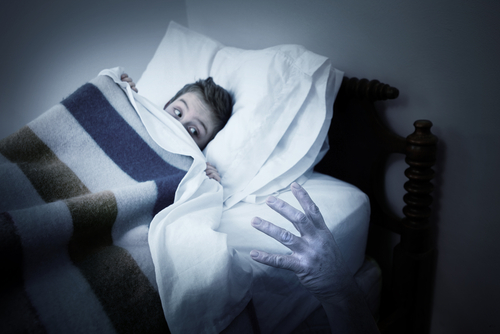
 Nightmares are experienced when children and occasionally adults awaken from vivid dreams with intense feelings of fear or dread Most of the time the child can recall the content of the dreams with a fair degree of detail
Nightmares can often be attributed to a child seeing or hearing something frightening or that causes them anxiety They can be caused by both things that have really happened or things that are make believe
Nightmares are very common in children ages 3 6 with approximately 30 90 experiencing occasional nightmares and often in 5 30 of children in this age group
What are Night Terrors
 Night terrors are partial arousals from sleep in which a child may shout thrash about kick or scream as if in an intense panic
During a night terror the child may be sitting bolt upright in bed with eyes wide open but will not likely notice the presence of their parents Children experiencing night terrors cannot be comforted or woken and often will have no memory of the events later Occasionally children will be able to recall vague information about the event such as feelings of an indistinct threat that they had to defend themselves from
Night terror episodes often last between 10 30 minutes After a night terror episode the child often lays back down and falls to sleep without needing to be consoled
Night terrors affect approximately 3 of children ages 4 12 with peak prevalence between the ages of 5 7 source Night terrors are more common among children who have family members that have had the disorder
What Are the Differences Between Nightmares and Night Terrors
One of the biggest differences between nightmares and night terrors is the awareness on the part of the child With nightmares children can often recall the experience in vivid detail With night terrors they usually have no recollection of the event at all the next morning
Night terrors can cause confusion and the child is most likely unaware of the presence of a parent in the room With nightmares there is little to no confusion and the child often seeks out a parent to help assuage their fears
Night terrors occur during non rapid eye movement sleep during the short wave period of sleep They often occur in the first few hours of sleep before REM sleep occurs
Nightmares most often later at night during REM sleep where dreaming is most prevalent
What to do with Nightmares
 With nightmares it is a good idea to console and soothe your child to help calm them Assure them that there is nothing to be frightened of Once theyve calmed down help them return to sleep
Find out if what may be worrying your child or what they may have witnessed that may have caused the nightmare
Keep your child from viewing age inappropriate frightening movies television shows or pictures
Develop a relaxing bedtime routine for your child to help them rest easier
Give your child a security blanket stuffed animal or allow them to sleep with a nightlight
See their pediatrician or a sleep specialist if the nightmares are occurring often and if they have a recurring theme
If your childs nightmares are occurring because of a traumatic past event counseling may be recommended
Dr Angie Randazzo clinical psychologist and behavioral sleep medicine specialist discusses cognitive behavioral therapy for children suffering from nightmares is a technique called dream rehearsal She says
Therapeutic intervention for nightmares is dream rehearsal In the daytime the patient would review any typical dream and develop an alternative ending This might be changing the content to something silly instead of scary or having the patient be in control in the dream somehow This requires review of the dreams content with the therapist to decide what kind of alternative outcome would be best for the patient With rehearsal every day for several weeks the patients dream content tends to change to what they have been rehearsing instead of being scary
What to do with Night Terrors
 During a night terror event the best thing you can do is patiently wait it out
Make sure the childs environment is safe and that they cant hurt themselves if theyre moving or thrashing about during an episode
Put yourself between your child and anything potentially harmful
Keep the childs room safe and secure by picking things up before they go to sleep and making sure doors and windows in the house are locked If there are stairs in the home keep a gate left up at the top of the stairs
After the episode has passed its safe to wake the child Try and keep your child awake for a bit to make sure they dont fall back asleep too quickly If they go immediately back to sleep there is a higher likelihood of having a second episode in the same night
Establishing a regular relaxing bedtime routine can help prevent night terrors
If the night terrors are frequent and occurring at the same time every night try waking your child a few minutes before the episode usually occurs to break the cycle of events Doing this for a week may break disrupt the pattern without causing them a great loss of quality sleep
Both nightmares and night terrors rarely have long lasting psychological effects on children
If your childs nightmares or night terrors are occurring frequent enough to be a cause for concern it may be time to speak with your childs pediatrician or even a sleep specialist for diagnosis
For more information on childrens sleep health check out some of these articles
7 Tips and Tricks for Getting Kids to Sleep at Night
7 Signs Your Child Might Have a Sleep Disorder
How to Tell if Your Childs Snoring is Normal or a Sleep Disorder