

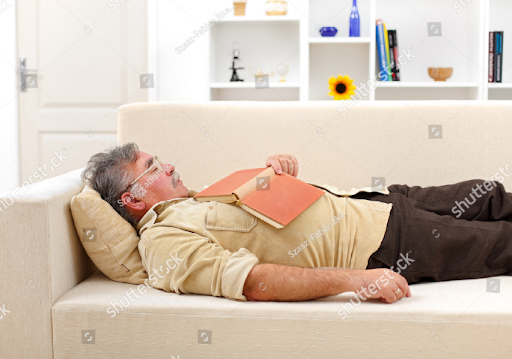
It’s a warm afternoon, and you just finished a good lunch. As you sit with a book, your eyes turn heavy, tempting you to take a nap. How many times have you tried to fight off that sweet sleep? Well, maybe you shouldn’t. Here’s some good news. Short naps aren’t just for babies. Recent studies show that a short mid-day nap can be beneficial to older adults.
A study conducted by General Psychiatry tried to understand the relationship between afternoon napping and cognitive function in older adults. The results showed that “Afternoon napping was associated with better cognitive function including orientation, language, and memory in the present study. Subjects with the habit of afternoon napping also showed a higher level of triglyceride than the non-napping subjects.”
Let’s delve into the science of the various benefits and effects of napping for the elderly and how it can boost physical and mental health.
Short Naps are Brain Boosters
As you age, the body undergoes many changes. One such change is evident in your sleep patterns. A study revealed that shorter deep sleep and frequent nocturnal awakening affected the sleeping cycle of seniors. Moreover, older adults tend to sleep less due to lowered metabolism and decreased chemicals, like melatonin which aid sleeping. Another study also concluded that improving sleep may enhance cognition and performance in older adults.
While night-time sleep is essential for the body’s recovery, a short daytime nap has proved advantageous in many ways. Let’s take a look at some of the benefits of napping for seniors.
Reduces fatigue
Centers for Disease Control and Prevention (CDC) states that napping can act as a countermeasure against fatigue. Often older adults may feel overwhelmed by a lot of information, activity, and stress during the day. That’s when a short nap can help off-load the tiredness and give your mind and body a break.
Improves learning
A short nap of no longer than 30 minutes can improve cognitive function. This affects the way we learn and connect the dots in the world around us. The secret lies in taking a nap just long enough to wake up refreshed rather than groggy.
Aids memory formation
As with babies, for seniors, too, a short nap helps in improving memory, especially short-term recall. This benefit can counter the effects of aging by keeping dementia or Alzheimer’s at bay. However, longer and frequent naps during the day may be indicators of other underlying health issues. Hence, it would be best to check with your doctor if you feel very sleepy often during the day.
Reduces risk of heart problems
Lack of sleep and stress has an adverse effect on your heart health. A short daytime nap can off-load the pressure and hence be beneficial for your body.
Regulates emotions
Studies have also shown that older adults can function better after a short snooze. It has a positive impact on how you process information, situations and helps to regulate mood. These factors work together, making you feel more in control of your emotions. In addition, problems caused by stress and anxiety tend to reduce with a relaxing daytime nap.
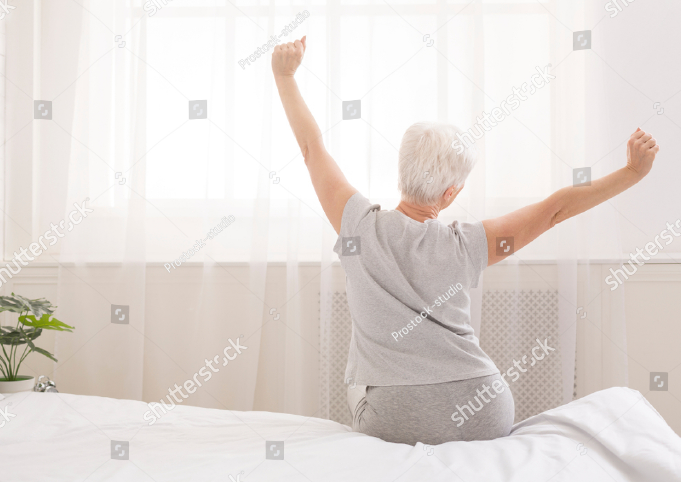
Like everything else in the world too much of anything is bad While taking short naps 3 to 4 times a week is helpful for the elderly the effects of taking longer naps do the exact opposite Moreover research states that longer naps may indicate underlying health issues like diabetes dementia sleep disorders and cardiovascular problems So if you are in the habit of napping for longer hours during the day or feel fatigued without a specific cause it is best to consult your doctor
As studies are inconclusive about the effects of napping on the elderly balance is necessary if you consider snoozing during the day Here are a few tips for better napping
Keep it short
Your nap should be shortnot more than 30 minutes Heres the science behind it A sleep cycle consists of REM Rapid Eye Movement and NREM non REM NREM sleep stage occurs up to 20 minutes after falling asleep Later the body goes into a deep NREM sleep followed by REM sleep characterized by vivid dreams Therefore its best to wake up during the early stage of NREM 10 to 20 minutes to avoid feeling groggy sleep inertia This way older adults can reap the benefits of improved cognition and alertness
Time it right
The circadian rhythm is your bodys natural clock The hormones that keep this clock ticking tend to dip in the early afternoon between 1 to 3 pm Consider this to be the ideal time for taking a short nap Taking a nap later in the day may lead to sleeplessness at night and disrupt your sleeping schedule
Be safe
For older adults with limited mobility getting in and out of bed can be difficult You can avoid falls and injury by using mobility devices like grab bars or a stable step stool for the bed to make napping comfortable and safe throughout the day Additionally avoid doing any tasks if you are feeling drowsy after waking up It may take a few minutes for you to be fully alert
Stay active
A short post lunch nap followed by moderate exercise in the evening can keep you refreshed and physically active It may even help you sleep better at night despite the catnap in the afternoon This is important because physical activity regulates bodily functions and improves metabolism which has become sluggish due to age
Final Thoughts
The medical world is unanimous on the need for enough restful sleep for our bodies to function optimally For seniors getting enough rest is more critical However sleeplessness sleep disorders or stress often makes it difficult for you to relax At such times indulging in a short nap during the day can prove to be beneficial
The best advice is to try napping and see how you feel However if after following these recommendations youre still feeling tired throughout the day and constantly fighting sleep you may have a more serious sleep disorder such as obstructive sleep apnea If this is the case no amount of napping will help you feel more rested
If you live in Alaska and you would like to speak to a sleep specialist about benefits you can receive from napping or if you believe you have a more serious sleep disorder please click on the link below