

Sleep research has advanced tremendously over the last several decades showing the critical role of sleep in almost every system in the body As studies into the relationship between sleep and physical health have progressed it has become more apparent that sleep and the immune system are closely linked
This article can make you aware of how sleep is important to keep the immune system strong and know how sleep deprivation can make you prone to illnesses from bloodborne pathogens
What Are Bloodborne Pathogens
A pathogen is anything that causes illness A pathogen that may persist in human blood for weeks or months is a bloodborne pathogen Human blood contains infectious germs known as bloodborne pathogens which may cause illness in humans Hepatitis B HBV hepatitis C HCV and human immunodeficiency virus HIV are all pathogens
Knowing which methods of exposure and transmission are most likely to occur in your specific circumstance is essential The two most frequent ways of becoming infected with HBV and HIV are
Intercourse
Puncture with infected needles shattered glass or other sharp objects
Contact with infectious bodily fluids especially on torn or damaged skin
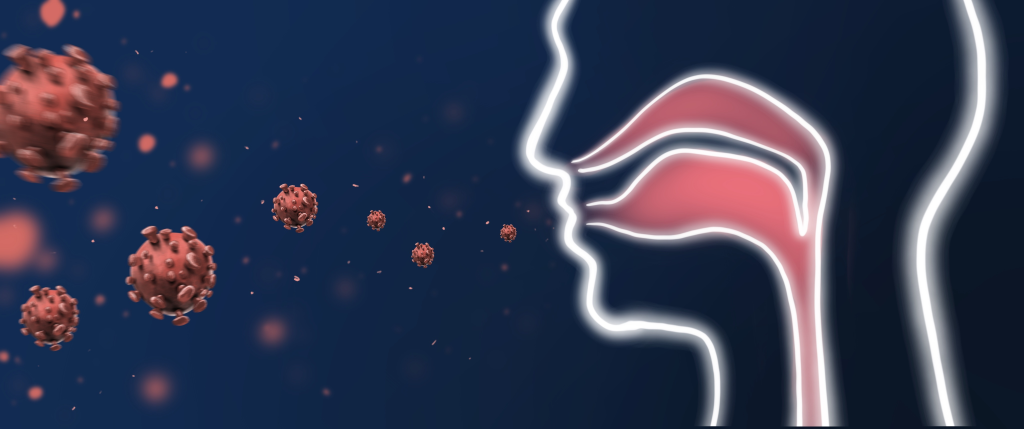
Interaction between the membranes of the respiratory system and the infectious bodily fluids
Who Are at Risk for Bloodborne Pathogens
Nurses healthcare workers first responders and cleaning staff may all be vulnerable to bloodborne infections According to the US Occupational Safety and Health Administration in the event of an occupational contact to bloodborne viruses about 56 million employees in the health care sector and associated professions are put at risk Any type of worker is susceptible to infection from bloodborne pathogens whenever they are exposed to blood or other potentially infectious materials
An employer must develop an exposure management strategy for the workplace including information on employee protective measures to minimize or eliminate the risks of occupational exposure to bloodborne pathogens
Having you and your employees go through a job training course for Bloodborne Pathogens Certification is ideal for those working in these sectors such as nurses doctors dentists lab workers and even tattoo artists among others The course is beneficial for people who are prone to this kind of disease in order to define and identify methods of BBP transmission and prevention
How Can Sleep Deprivation Weaken the Immune System
Sleep has been shown to have a significant impact on the immune system People are more susceptible to illness when they are sleep deprived This illustrates that inadequate sleep reduces the immune systems efficacy while restful sleep boosts immunity
Having enough restful sleep enables T helper cells to be more productive T helper cells assist the body in defending against infection by viruses bacteria or other foreign antigen cells Whenever a foreign pathogen is introduced into the body the immune cells produce a protein called integrin which aids in recognizing and fighting against that infection Integrin assists T cells in binding to the foreign antigens and eventually destroys the pathogen
The results of research conducted in the Journal of Experimental Medicine which was published in the Journal of Experimental Medicine revealed that T cells activate integrins and can identify variables that diminish the effectiveness of T cells in adhering to the target pathogen
To understand how sleep deprivation promotes vulnerability to viral bacterial and parasite diseases researchers must identify the role of sleep in the immune system Thus sleep deprivation and a weak immune system linked people in getting prone to bloodborne pathogens
Occupational Exposures to Bloodborne Pathogens Among Health Care Workers
While sleep deprivation clearly increases the risk of workplace accidents the evidence is overwhelmingly in favor of this connection Inadequate restfulness in workers increases the likelihood of workplace accidents by 70 Also contributing to a greater risk of occupational injury include long work hours lack of sleep and an unhealthy diet Additionally those who suffer from insomnia are about two times more likely to be involved in a work related accident than their counterparts who dont have sleep problems
Health care workers HCWs who have sleep deprivation are more exposed to a range of occupational hazards on the job One of the most severe concerns including for Emergency Medical Services EMS providers is exposure to blood and bodily fluids while performing their duties which raises concerns about the transmission of bloodborne pathogens
Every day surgeons face the danger of harm in the operating room Despite the prevalence of workplace safety measures accidents continue to be common and costly While occupational hazards may include musculoskeletal disorders psychological stress radiation exposure and the risk of infectious illnesses sharps injuries continue to be the most prevalent among surgeons in practice and the most common mode of transmission of bloodborne pathogens Thus greater awareness of the physical economic emotional and social consequences of these injuries is critical for effective treatment and prevention in the future
To mitigate the unpleasant consequences of hazardous exposure to contaminated blood and body fluids medical personnel must adhere to all standard precautions guidelines and participate in ongoing education about bloodborne pathogen protection The degree to which standard precautions are knowledgeable consistent and practiced need to be evaluated regularly and the characteristics of rural and urban EMS providers that indicated a lack of compliance with standard procedures must be changed
Standard Precautions to Prevent Occupational Exposure to Bloodborne Pathogens
Bloodborne pathogens including hepatitis B C and HIV are more likely to be transmitted in healthcare settings Although postexposure hepatitis for HBV and occupational safety precautions are vital in preventing infection after bloodborne virus exposure HBV vaccination and postexposure treatment are critical parts of a comprehensive approach to avoid infection
The transmission of microbes in healthcare controls that can be controlled through infrastructure safe injection practices and safe work practices is referred to as healthcare associated transmission Controls for removing or isolating hazards are equipment devices or instruments When administering injections safety precautions must be taken to make injections safer for patients healthcare professionals and other individuals who minimize the risk of exposure
To minimize occupational transmission of healthcare workers some measures are used These are referred to as standard precautions The concept claims that no existing infections previously unknown could be detected
Standard precautions apply to nonintact skin and mucous membranes blood and all bodily fluids excretions and secretions except sweat regardless of whether they contain visible pathogens Additional measures are necessary when diseases are highly transmissible or epidemiologically significant Transmission based measures isolation include precautions against airborne droplet and contact transmissions
Most importantly its time to reiterate the importance of sleep
Enough Sleep for a Strong Immune System
Immune system cytokines are released during sleep and during times of stress to battle infection or inflammation If the body doesnt get enough sleep the number of protective cytokines and infection fighting antibodies may decrease
Sickness may leave individuals in a state of sleep that results in sleep deprivation During these times people may have a greater desire to take a nap or go to sleep To combat viruses and other infections the body must drastically boost the immune systems activity As a result there is often less energy available for different tasks Sleeping more is critical for mending the body and preserving energy for illness fights
To promote mental well being and ensure the immune system stays healthy its essential to get enough sleep Here are some recommendations from experts
Taking a quick nap throughout the day to help reduce tiredness but not frequent napping to make up for a good nights sleep
Maintaining a pleasant quiet dark and cool sleeping environment
Decreasing intake of sugar sweetened candy dessert and beverages which may impact a persons sleep
Getting enough rest at night and waking up at a consistent time Establish a time for sleep thats safeguarded such as an anchor period ie same 4 6 hours regardless of schedule
Cutting down on your nighttime consumption of alcoholic beverages energy drinks and foods that contain caffeine such as dark chocolate then avoid consuming any of these things before bed
Conclusion
In general people who already have compromised immune systems or suffer from chronic sleep disorders may be particularly harmed by sleep deprivation Getting enough undisturbed sleep every night may improve your immune systems efficacy so make it a priority Optimizing your sleep frequently begins with paying attention to your habits routines and sleeping conditions
Start with a comprehensive focus on health oriented behaviorslike eating properly exercising and getting enough restto help build a more robust immune system and more regular and good sleep patterns
As for health care workers exposed to occupational exposure to bloodborne pathogens prevent or reduce exposure to potentially infectious materials its essential to follow proper work practice controls and standard precautions To minimize the danger of exposure to bloodborne infections complying with environmentally designed controls is highly recommended
Most importantly those who have ongoing sleep difficulties or diseases should see a doctor A physician may work to determine the underlying reason and the most effective treatment options
Take Our Sleep Apnea Quiz