


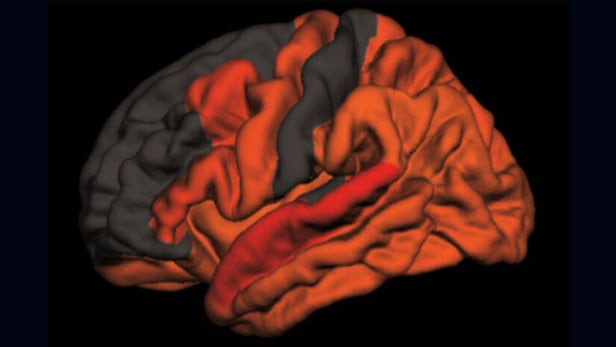
A series of studies revealed a link between disrupted sleep and brain diseases such as Alzheimers
Sleep is a Must for a Healthy Body and Mind
The brain typically shrinks as we age but surprisingly does not lose functioning brain cells in large numbers But in Alzheimers disease damage is widespread
At first Alzheimers destroys cells parts of the brain involved in memory It later affects areas responsible for language reasoning and social behavior Eventually other areas of the brain are damaged and the person gradually loses his or her ability to live and function independently Ultimately the disease is fatal
Just last year it was discovered that sleep deprivation can directly lead to an increase in plaque accumulations and tangles in the brain consistent in people with Alzheimers disease
Another recent study further supports the relationship between sleep and Alzheimers The belief behind the research is that years of poor sleep may correlate with increases in a brain protein found to be significantly linked to the mental decline associated with Alzheimers disease
Scientists examined sleep patterns of 119 healthy people over 60 with no signs of dementia Their sleep patterns were monitored for a week The results revealed that those who got little to no REM sleep showed an alarming increase of the brain protein connected to memory loss and dementia
The key is that it wasnt the total amount of sleep that mattered It was the quality of sleep The people who were not hitting REM sleep were actually sleeping more at night and napping more in the day but they werent getting the deepest sleep needed for human physical and mental growth and repair
Huge questions still remain unanswered though especially in trying to determine whether bad sleep is ultimately a cause or consequence of conditions like Alzheimers
Is Better Sleep the Cure
Age related brain diseases are without a doubt more complicated than simply being the effect of years of bad sleep Researchers suggest that disrupted sleep may instead be an effective early warning tool to help doctors spot patients in the earliest stages of cognitive decline
Measuring how people sleep may be a noninvasive way to screen for Alzheimers disease before or just as people begin to develop problems with memory and thinking
The Link Between Sleep and Overall Health
Sleep is linked to so many health problems with researchers saying sleep apnea may be the cause of many It is so important to get a correct diagnosis and treatment
Three studies by researchers at Wheaton College found significant connections between breathing disorders that interrupt sleep and the accumulation of bio markers for Alzheimers Disease Treating the problems with dental appliances or CPAP machines that force air into airways could help lower the risk of dementia or slow its progress according to the researchers

While correlation between sleep apnea and dementia has been documented in the past these are among the first to look at the relationship between sleep disruption and the markers commonly associated with Alzheimers
During sleep when your brain has time to wash away all the toxins that have built up throughout the day continually interrupting sleep may give it less time to do that
It may be in the deepest stages of sleep that healing the body and brain and cementing memories takes place said Ronald Petersen director of the Mayo Clinic Alzheimers Disease Research Center and the Mayo Clinic Study of Aging
During these studies people repeatedly jolted awake during the night showed immediate increases in protein buildup and if the sleep disruption continued for a couple of weeks also showed increases in the protein tangles that are also associated with Alzheimers
It is not yet clear whether people with very early levels of brain disease are having trouble sleeping or whether people having trouble sleeping are more likely to develop brain disease said Keith Fargo director of scientific programs outreach at the Alzheimers Association He noted that that animal studies have shown it could go both ways as well
Trust Yourself If You Feel Something is Wrong
Ultimately it doesnt matter what the direction is for this to have an effect on your life If youre waking up your partner multiple times a night or youre tired all day then you really really need to go get checked by your doctor because it could be a sign of something serious or if its not just treating the apnea could help with your day to day cognition
If you are looking for answers about your sleep issues call Alaska Sleep Clinic today for your free consultation Improving your sleep will improve your life
![trust-bbb_torchaward_graphics_TorchAwards_header_finalist[1]](https://www.alaskasleep.com/hs-fs/hubfs/trust-bbb_torchaward_graphics_TorchAwards_header_finalist%5B1%5D.png?width=2001&name=trust-bbb_torchaward_graphics_TorchAwards_header_finalist%5B1%5D.png)