

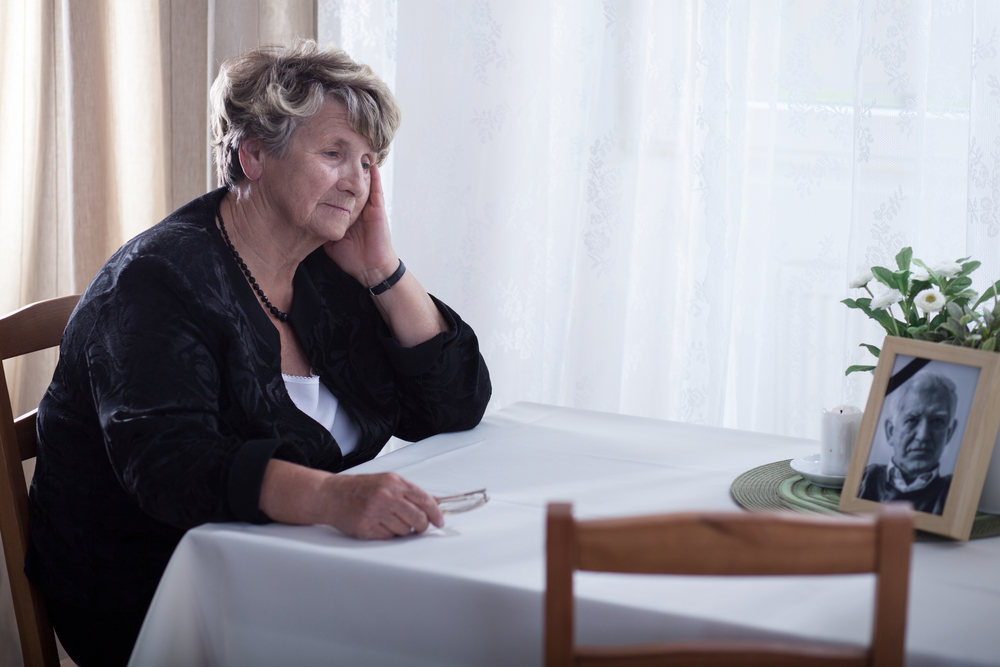
Its not just a product of very lonely individuals having poor sleep The relationship between loneliness and restless sleep appears to operate across the range of perceived connectedness said lead author Lianne Kurina PhD of the Department of Health Studies at the University of ChicagoA heartbreaking fate loneliness and restless sleep intertwine causing depression Think about the rejection of affection Some individuals without family near or a significant other may go months without a hug or physical touch
Many feel loneliness may be more common in the elderly or teens but a 2010 survey conducted by the Mental Health Foundation in 2010 found adults aged 18 to 34 than those aged 55 or older experience loneliness
A study from Kings College London found young adults were more likely to experience daytime tiredness poor concentration and sleep quality More than 72 percent reported feeling lonely with at least 13 reporting they experience loneliness once a week
The Kings College London study did not investigate the mechanisms underlying the link between loneliness and poor sleep quality A few theories point to previous studies that identified a link to the stress hormone cortisol and loneliness creating sleep disruption Those with the strongest link had a history of exposure to violence
This makes sense as sleep is a state in which it is impossible to be vigilant for ones safety so feeling isolated from others could make it more difficult to sleep restfully and even more so for individuals who have been exposed to violence in the past notes study co author Timothy Matthews also of the Institute of Psychiatry Psychology Neuroscience

The affection exchange theory is another common link to loneliness Developed in 2001 by Kory Floyd the theory evaluates how affection impacts the giver and receiver Affection is proposed as a reactive force that stems from a human need for community It also is fueled by a humans need to survive connect and reproduce
How everyone gives and receives affection can impact a person differently Floyd broke the theory into three categories verbal physical or action
Verbal includes spoken words that express love for another person
Physical affection is a hug or a smile reflecting these emotions and
Action is anything a person does to show how they feel
The action can include an encouraging word offering a favor or purchasing a gift for someone Affection is communicated through one of these three ways or a combination of them
An interesting additional study found on loneliness is contagious loneliness Those who feel lonely give off a lonely vibe and are judge by others as less socially interesting or attractive by others A cycle could occur leading to more loneliness episodes when circumvented over time
According to The Guardian an experiment with 1000 individuals rated photographs of people they did not know Some in the experiment were sleep deprived The question raised was how socially attractive those photographed seemed Triggering the transmission of loneliness were those who were in a cycle of sleep deprivation causing socially inept individuals emotionally and physically
The study found socially contagious were well rested people but when encountering a contagious lonely person they felt lonely themselves By short changing sleep loneliness can become a deeper issue if not handled by a professional
Loneliness is increasingly a key part of the broader health picture
Its interesting that loneliness and sleep are being linked in the sense that being connected is as important to your health as sleep exercise and diet said Alice Stride a spokeswoman for the Campaign to End Loneliness Loneliness is devastating to your physical and mental health and connections with other people can be the answer to that We know youre more likely to have anxiety depression heart problems all sorts of things
Three areas the Campaign to End Loneliness wanted to change are
People most at risk of loneliness are reached and supported
Services and activities are more effective at addressing loneliness
A wider range of loneliness services and activities are developed
For some loneliness paired with insomnia may be masked by other symptoms outside of depression and anxiety
If you feel lonely discuss it with your physician who may refer you to a sleep clinic The cycle can be stopped and may stem from a sleep disorder rather than loneliness However you can seek answers it will lead to a happier and healthier mental and physical state
For those living in the Alaska area call Alaska Sleep Clinic for your free consultation Our blog is also choked full of helpful resources and tips for various sleeping conditions