

Ever since the pandemic, people around the world have been experiencing cases of insomnia. Additionally, a risk factor for COVID-19 called sleep apnea was also a cause for concern. Sleep apnea is a condition that triggers a pause in breathing while you sleep.
The pandemic made it a challenge for doctors to see their patients in person. Even those with sleeping conditions couldn’t go to sleep laboratories without caution. Therefore, virtual healthcare services called telemedicine were established.
Telemedicine was used by healthcare providers to treat various illnesses, including sleep disorders. We’ll talk about telemedicine’s impact on sleep disorders, like sleep apnea, further below.
1. Sleep Disorders and Telemedicine: How Do They Work?
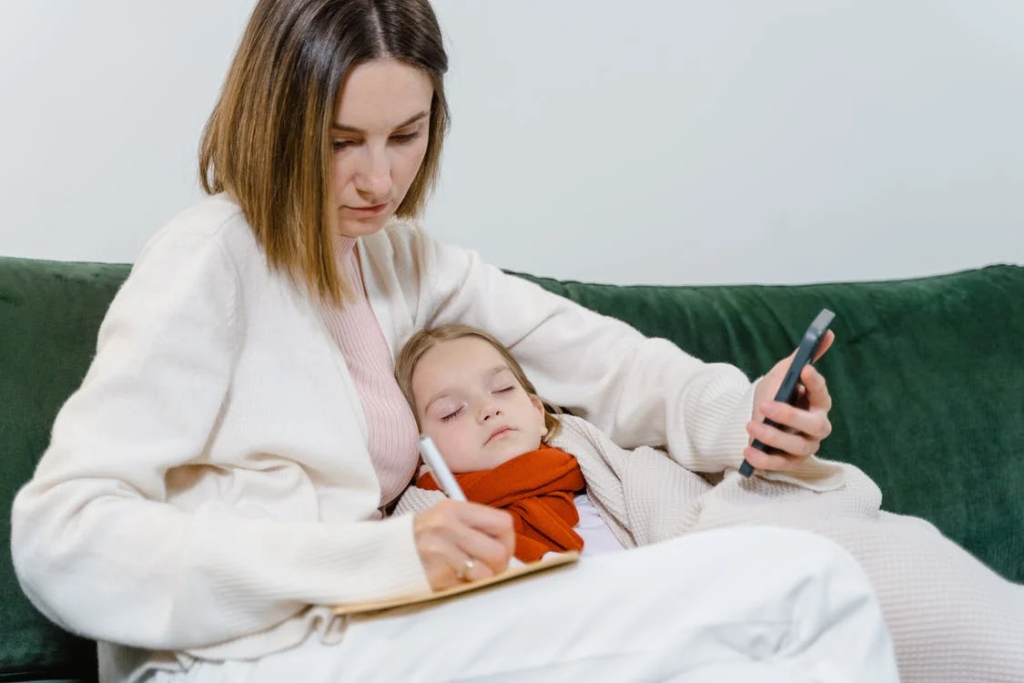
The first step is to schedule a virtual visit or a phone call with your sleep specialist This is done through an app or a patient portal The details may differ depending on the instructions on the app or portal
When you start preparing for your video chat ensure that you have a strong and stable internet connection Your audio and video need to be clear as well To make sure that you make the most out of your appointment we recommend preparing a list of questions and concerns
If you have a medical history your primary care doctor can diagnose your sleep disorder through that They also refer to the sleep studies youve done in your past appointments
Telemedicine can also be used for other services such as monitoring your breathing and oxygen levels at home while you sleep You can also schedule follow up visits with your respiratory therapist if youre undergoing CPAP therapy And last but not the least you can get your prescription for medication refills
2 At Home Sleep Tests for Sleeping Disorders
Youll find that the majority of at home sleep tests focus on diagnosing sleep apnea As we defined earlier sleep apnea causes you to stop breathing in your sleep Additionally these episodes can happen several times in an hour
Here are the steps to test for sleep apnea The first is to tape a wire to your nose and mouth Then you need to put elastic bands across your chest and an oxygen monitor on your finger These devices will track your airflow breathing and oxygen levels while you sleep
After which your provider can review the results and begin prescribing what treatment is best for you
There are sleep disorders that cant be tested at home like restless leg syndrome or periodic limb movement disorder If thats the case we recommend looking up the primary care doctor near me to see what at home sleep studies they can offer
3 How Effective Are At Home Sleep Tests Compared to Sleep Lab Tests
At home tests for sleep apnea are just as effective as the tests done in a sleep lab The problem is that at home sleep tests only check for symptoms of sleep apnea Any additional testing will require you to head to the lap in person
At the lab the sleep technologist can monitor your heart rate eye movement and brain waves Even your muscle activity and body position can be checked This is called polysomnography
The information from polysomnography can help your primary care physician diagnose other disorders For example you have narcolepsy sleepwalking and periodic limb movement disorder Restless leg syndrome and insomnia can also be identified this way
4 Telemedicine Treatment Options for Sleep Disorders
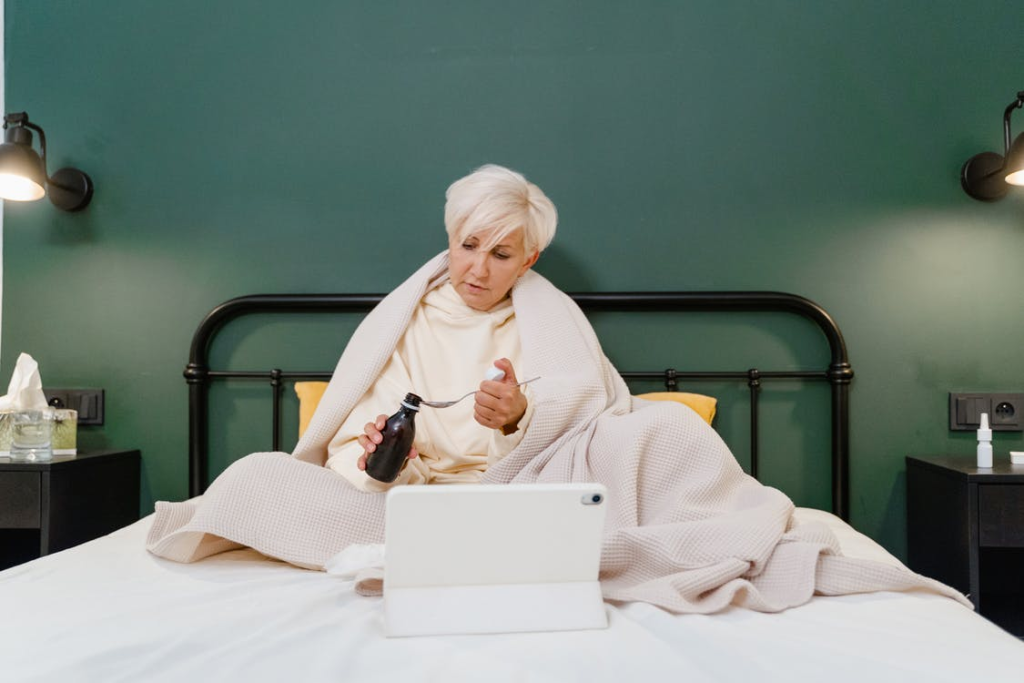
Continuous Positive Airway Pressure CPAP Therapy
This treatment uses a device to help those with sleep apnea breathe easily at night With telemedicine sleep specialists can track CPAP pressure air leaks and apnea hypopnea index
If youre experiencing problems with your device your provider can offer follow up care in a teleconsultation
Cognitive Behavioral Therapy for Insomnia CBT I
These are therapy sessions that attempt to resolve or change your unhelpful thoughts about sleep You can also learn relaxation techniques and the connection between your behaviors and sleep
Medication Prescription and Management
Your family doctor or specialist can prescribe medications and refills via e messaging programs
5 Benefits of Telemedicine for Sleep Disorders
There are several advantages to using telemedicine and most of them apply to treating sleep disorders Generally telemedicine is more convenient and saves everyone time But theres also the comfort and security of doing sleep apnea tests from your own home and bed
You dont have to drive to your appointments and its easy to set schedules with your specialist Without needing to visit your primary care doctors office you can request prescription refills Its also easier to ask for updates on your prescription using telemedicine
Conclusion
Technology and science almost always went hand in hand in advancement Now with telemedicine you can have your sleep disorder diagnosed and treated in the comfort of your home Sleep apnea for example is the most commonly treated sleep disorder at home via telemedicine
CPAP CBT I and medicine prescription can all be done via telemedicine as well It saves you the trip of going to the laboratory or your doctors office These trips can be dangerous if youre tired and defeat the purpose of your visit to the doctor
However not all sleep disorders can be diagnosed and treated that way For any other sleep disorders youll need to go directly to the laboratory The specialists there will monitor your condition and make the diagnosis
Disorders like narcolepsy and sleepwalking all need to be diagnosed at the laboratory And then youll be given instructions for your treatment
Overall telemedicine had a big impact on the treatment of sleep disorders Its still a work in progress as many disorders still require the patient to visit the office and laboratory However upon improvement this can be a revolutionary change in the field of sleep studies
Telemedicine at Alaska Sleep Clinic
At Alaska Sleep Clinic our philosophy centers on treating every patient with compassion understanding and personal attention We know how important a good nights sleep is to a persons health and quality of life thats why diagnosing and treating sleep disorders is our primary focus Alaska Sleep Clinic is a group of four American Academy of Sleep Medicine accredited sleep clinics and now Alaska Sleep Clinic is the ONLY sleep clinic in Alaska using SleepTM the latest in sleep telemedicine technology
AASM SleepTM is now available for your patients to download on both the iPhone and the Android We mean it when we say that connecting with your patients has never been easier Sign up for a free one on one demo with an AASM SleepTM expert and embrace the future of healthcare
Alaska Sleep Clinic is the most comprehensive multisite sleep lab in Alaska with clinics in Anchorage Wasilla Fairbanks and Soldotna and we continue to expand our services to those with sleep disorders Angela Randazzo PhD is a specialist in cognitive behavioral therapy CBT with expertise in sleep disorders No other CBT sleep specialist provides care in the state of Alaska She is available to Alaska Sleep Clinics patients via telemedicine through SleepTM