

The human body has an internal clock called a circadian rhythm. This clock keeps things running well. One key tool it uses is temperature. If you want to get the most out of your recovery, you need to know how heat therapy links to deep sleep. The way people use heat changes in the body helps start the body’s own rest systems.
Thermoregulation Effect: The Science of Cooling
To see why warming up the body helps you rest better, we need to know more about how blood moves in the body. When you feel heat on your body from outside, the blood vessels close to your skin get wider. This makes blood move from the middle of your body to your hands and feet.
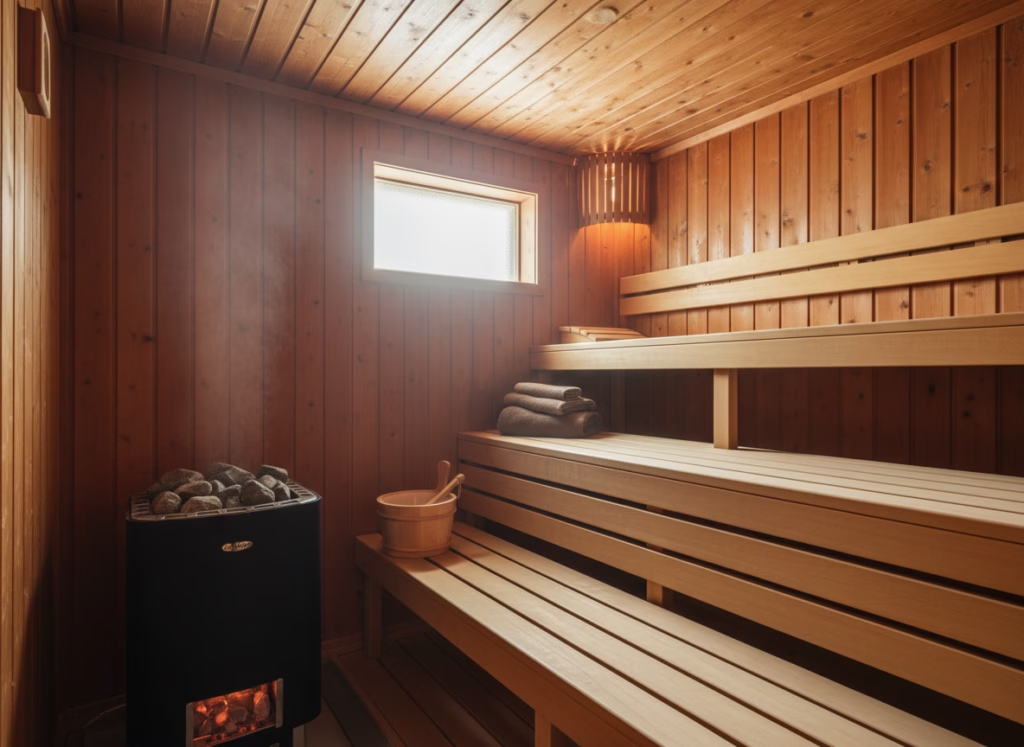
It might seem strange, but the main idea behind heat therapy is not to stay hot. The goal is to help your body cool down fast right after. About two hours before sleep, our bodies start to cool. This tells the brain that it is time to make melatonin. With sauna wood heat therapy, make your body feel a bigger change in temperature. When you get out of the heat, your core temperature drops fast. This copies what happens when you get sleepy and can help you fall asleep faster.
Molecular Recovery: How Heat Shock Proteins Help
A surprising thing that happens when you spend time in heat is that the body starts to make Heat Shock Proteins (HSPs). These are a group of proteins your cells make when they feel stress. When you think about sleep and healing, HSPs work like feel-good helpers inside you. They make sure other proteins in the body are shaped right. They also help fix proteins that got hurt from stress.
If you start this repair in your body right before you sleep, it begins to heal itself even before you fall asleep. This early start may help explain why people who use heat therapy feel better when they wake up. While you sleep, your body has already cleaned out a lot of waste, so your brain can work on getting stronger and better through the night.
The Role of the Hypothalamus
The hypothalamus is like your body’s thermostat. When it feels your skin getting much hotter, it starts working harder to help cool you off. All this power used and the cooling off afterward can make Slow Wave Sleep (SWS) last longer. SWS, or deep sleep, is the time when your body fixes itself, clears waste from your brain, and helps your immune system get stronger.
Psychological Relaxation and Neural Shifts
Heat therapy does more than just cool the body. It also changes how the autonomic nervous system works.
- Parasympathetic Activation: Heat helps the body move from a “fight or flight” state to a “rest and digest” state.
- Muscle Tension: When you are warmed by heat but not moving around, your muscle activity drops. This can make your muscles feel looser and help your mind to feel calmer.
- Endorphin Release: A little heat stress can help your body send out endorphins and dynorphins. This makes you feel better and lowers the worry that may come before trouble sleeping.
Best Practices for Sleep Integration
To make the most of these good changes in your body and not mess up your routine, you need good timing. Studies show that being in heat for about 20 to 30 minutes, and stopping around 60 to 90 minutes before you go to bed, gives your body the best time to cool down.
| Phase | Biological Action | Impact on Sleep |
| Exposure | Vasodilation & Heart Rate Increase | Prepares the body for heat dissipation |
| Post-Heat | Rapid Core Temperature Drop | Triggers melatonin production |
| Rest | Increased Slow Wave Sleep | Enhances physical and neural recovery |
Getting good sleep means you need to work with your body, not fight it. When you use heat in the right way, you can help your body feel sleepy faster. This lets you skip the tossing and turning, and lets you go right into deep, restful sleep. If you feel stressed a lot, or you want your mind to be sharper, you can use heat therapy. You can also enjoy the calm smell of sauna wood when you do this. It can help you learn more about sleep and feel healthy, without using any medicine.