

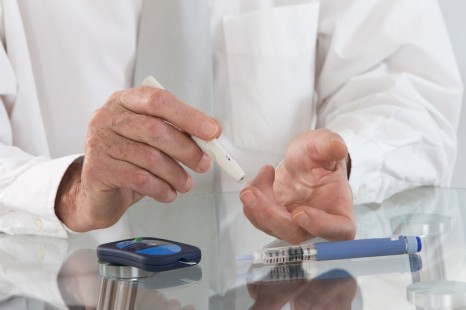
Research shows that one night of sleep deprivation can impair your insulin sensitivity in a similar way as six months of a high fat diet would have on your body
Josiane Broussard PhD and colleagues from Cedars Sinai Medical Center in Los Angeles California conducted a study that showed the similarities between sleep deficiency and a high fat diet
Research has shown that sleep deficiency and a high fat diet both lead to impaired insulin sensitivity but it was previously unknown which leads to more severe insulin resistance said Dr Broussard Our study suggests that one night of total sleep deprivation may be as detrimental to insulin sensitivity as six months on a high fat diet This research demonstrates the importance of adequate sleep in maintaining blood sugar levels and reducing risk for metabolic diseases like obesity and diabetes1
Insulin and sleep
How does one night of sleep deprivation cause such a dramatic effect on insulin Lets look at the science behind sleep and insulin
Insulin resistance happens when your body becomes less sensitive to insulin Your body then needs to produce more insulin to keep your blood sugar stable
Insulin resistance can eventually lead to Type 2 diabetes where your insulin response doesnt work properly anymore causing too much sugar in the body Type 2 diabetes can up your risk for heart attack stroke eye problems and kidney disease
Sleep deprivation even just one night does more than just make you feel sleepy or cranky The amount of sleep we get not only affects our blood sugar levels but also the hormones that control appetite
The more sleepy you are the more you crave high calorie and high fat foods A diet high in calorie and fat can increase your risk for obesity which in turn increases your risk for Type 2 diabetes
Sleep deprivation also impairs the ability of your fat cells to respond to insulin Sleep deprivation triggers the bodys stress response which leads to the release of the stress hormones cortisol and norepinephrine which are associated with insulin resistance
A small study published in the Annals of Internal Medicine2 followed seven healthy young men and women as the spent eight days and nights in a sleep lab The group was allowed to sleep normal for four nights and then were restricted to only 45 hours of sleep on other nights
The participants diets were restricted to compensate for the increased appetite that comes along with being tired After just four nights of sleep deprivation blood tests showed insulin sensitivity was 16 lower than on the nights of normal sleep
The participants fat cells sensitivity to insulin dropped by 30 which is the levels often seen in individuals who are obese Just four nights of sleep deprivation can age your body
This is the equivalent of metabolically aging someone 10 to 20 years just from four nights of partial sleep restriction says Matthew Brady the senior author of the study and an associate professor of medicine at the University of Chicago Fat cells need sleep and when they dont get enough sleep they become metabolically groggy
Symptoms

The symptoms of sleep deprivation happen when you fail to get the recommended 7 9 hours of sleep each night
Symptoms of sleep deprivation and insulin resistance are often overlooked Recognizing the symptoms can help you get back on track for a healthy nights sleep Symptoms of sleep deprivation include
Snoring
Breathing pauses during sleep
Difficulty falling asleep
Irritability
Hyperactivity
Difficulty staying asleep
Restless sleep
Mouth breathing
Daytime sleepiness
Slips in work performance
Unusual events during sleep sleep waking nightmares night terrors
If you have any symptoms of sleep deprivation you should make an appointment to make sure your sleep issues arent caused by an underlying medical problem
The symptoms of insulin resistance are more subtle and harder to recognize Insulin resistance typically doesnt trigger noticeable symptoms You could be insulin resistant for years before you notice any symptoms At that point you probably are displaying symptoms of pre diabetes or Type 2 diabetes
The following symptoms can indicated that you have the start of Type 2 diabetes
Extreme thirst or hunger
Feeling hungry even after a meal
Frequent or increased urination
Tingling sensations in your hands or feet
Feeling more tired than usual
Frequent infections
If you are worried about insulin resistance or Type 2 diabetes make an appointment today with your physician so that your symptoms can be evaluatedInsulin resistance pre diabetes and diabetes can be detected with a simple blood test
Healing sleep
Consistent and quality sleep can go a long way in helping your body combat insulin resistance Be aware though that resting is only part of the solution
Exercise and healthy eating are also a big part in helping your body create and use the insulin it needs Type 1 diabetes and some aspects of Type 2 diabetes cannot be controlled in the same way
Sleep can help you have the energy you need to create a healthy lifestyle that can help you be resistant to insulin problems Here are five tips that can help you on you and your insulin stay healthy
Keep a sleep journal for a week Take care to note what time you go to sleep and what time you wake up including anytime during the night you wake up Write down what activities you do before sleeping Also keep track of any snoring or restless sleeping Keeping track of your sleeping patterns can help alert you to a possible sleep disorder that needs to be evaluated and treated by a certified sleep physician
Set a consistent sleep schedule Going to bed and waking up at a similar time every day can help your body know when it is time to relax and when it is time to get moving
Create a sleep friendly environment Keeping your room free from distractions clutter and electronics can help you feel more relaxed and help you drift off easier
Get the right mattress and pillow A comfortable bed will allow you to go to sleep without discomfort
Change your nightly routine The activities you choose before bed can make it harder to fall asleep Cut out busy work and electronic use right before bed Instead focusing on relaxing by reading a book or taking a bubble bath
If you are concerned that your sleep deprivation is affecting your insulin dont delay in seeking out help At the Alaska Sleep Clinic we can help diagnosis and treat sleep related issues so that you are the healthiest you
Get Answers Now