


Sleep is a fundamental part of our health, and the internet is constantly buzzing with new ways to optimize it. Two recent trends—Cave Sleeping and Sleepmaxxing—have gained significant attention on TikTok, sparking both curiosity and controversy. While some claim these methods revolutionize rest, others remain skeptical. An important aspect of these trends is the scientific support and quality it provides at night.
The Appeal of Cave Sleeping
Cave Sleeping revolves around creating an environment that mimics pre-modern sleeping conditions. This means eliminating artificial light, blocking out sound, and, in some cases, even removing windows to achieve total darkness. Advocates argue that this setup enhances melatonin production, leading to deeper and more restorative sleep.
The fascination with returning to primal sleeping conditions is growing. Sleep researcher Dr. Michael Gradisar notes that modern distractions—such as blue light from screens and inconsistent sleep schedules—disrupt our natural rhythms. By embracing darkness and stripping away modern disturbances, individuals hope to return to a more biologically attuned sleep pattern.
A closely related practice, grounding (also known as earthing), has also gained traction. Grounding involves direct contact with the Earth’s surface through walking barefoot, lying on the ground, or using grounding mats. Some proponents believe it can reduce inflammation and improve sleep quality. While scientific research on grounding remains limited, interest is surging. Searches for grounding beds increased by 189% in 2023, with continued growth expected in 2024.
The extreme side of Cave Sleeping has been highlighted on TikTok, where users document sleeping experiences in literal caves. One viral video showcases Deep Sleep, an underground accommodation in Wales, located 1,375 feet below Snowdonia. This former slate mine has been transformed into a unique sleeping space with wooden cabins, a grotto, and provided meals.
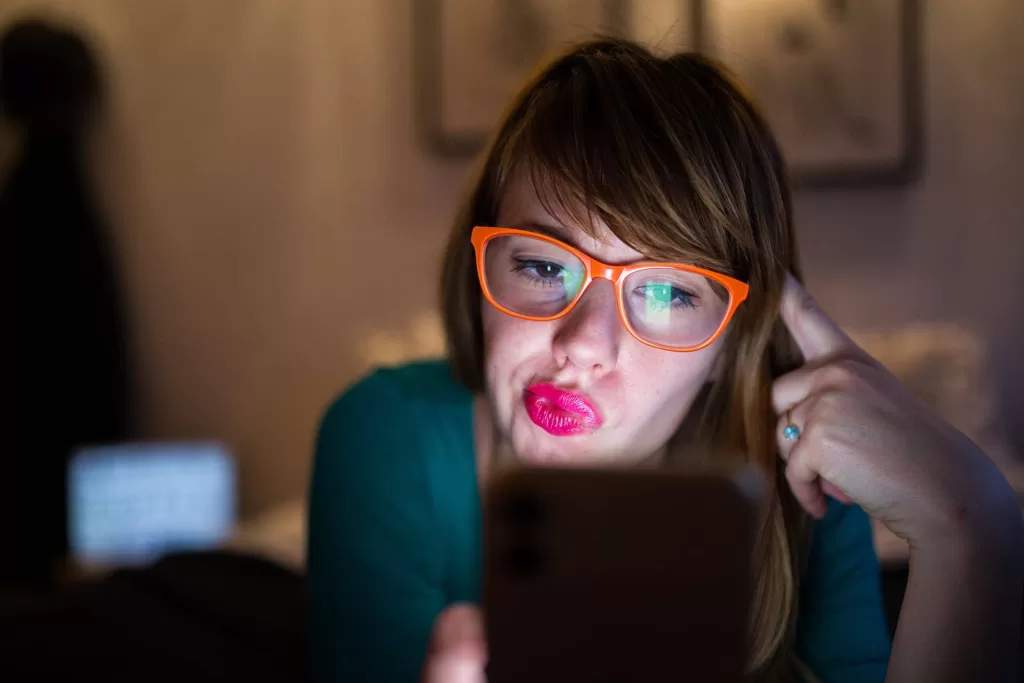
Others have taken to livestreaming themselves sleeping, a phenomenon dubbed “sleepfluencing.” Some experts suggest that watching others sleep may induce drowsiness in viewers, similar to how yawning is contagious. However, excessive TikTok use before bed has also been linked to poor sleep quality, making this a double-edged sword.
The Rise of Sleepmaxxing
Sleepmaxxing is another trend sweeping through social media of sleep-optimizing techniques. The concept, which has nearly 125 million TikTok posts, involves maximizing sleep quality through unconventional yet popular methods. These range from using blue light glasses and weighted sleep masks to consuming specific foods like kiwis before bed. Some users even practice pineal gland meditation, a breathing exercise said to induce sleep in under ten minutes.
The growing interest in sleep hacks reflects a broader struggle with insomnia. A survey by Norwegian health site Helsestart found that over 20% of U.S. adults suffer from chronic insomnia, with nearly 50% experiencing occasional sleep disturbances. Additionally, data from the CDC in 2020 indicated that 14.5% of American adults had trouble falling asleep, while 18% had difficulty staying asleep. Google Trends also shows a steady rise in searches for “insomnia symptoms” over the past five years, with peaks each January.
Experts believe that our modern lifestyle contributes to widespread sleeplessness. Factors like excessive exposure to city lights, mental overstimulation, and persistent anxiety all play a role. Social media exacerbates the problem by creating a 24/7 culture that makes it difficult to disconnect before bedtime. Some Sleepmaxxing techniques have scientific backing such as:
- White noise machines have been shown to improve sleep quality for individuals who struggle with environmental noise.
- Magnesium supplementation has been linked to better sleep regulation in some studies.
- Blue light exposure is known to suppress melatonin production, which is why blue light glasses are increasingly recommended.
Despite the excitement surrounding Sleepmaxxing, experts urge caution. While some of these methods may provide real benefits, others are unproven or even misleading. The rapid pace of wellness trends on TikTok often outstrips scientific validation, allowing for broad claims that lack concrete evidence.
Both Cave Sleeping and Sleepmaxxing highlight an individual’s ongoing quest for better sleep. While some aspects of these trends align with scientific research, others require further investigation. A more concrete scientifically backed method for insomnia is connecting with a sleep clinic.
The Alaska Sleep Clinic is dedicated to providing top-notch diagnostic sleep testing, with all four of its locations accredited by the American Academy of Sleep Medicine (AASM). Connect today for your free consultation.