




April marks Alcohol Awareness Month. It is a time dedicated to increasing public understanding of how alcohol affects our bodies, minds, and communities. Most people know the obvious impacts of alcohol, such as impaired judgment or hangovers. Fewer realize how deeply it can disrupt one essential pillar of health: sleep.
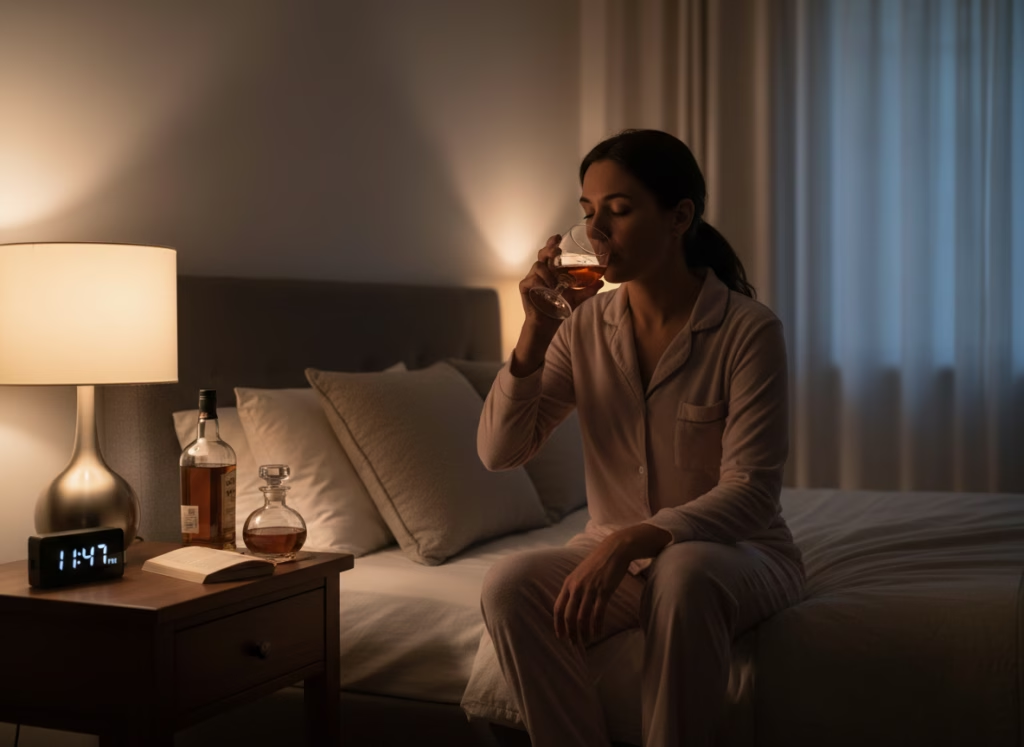
Sleep is not simply “downtime” for the body. It is an active, highly regulated process that supports memory consolidation to immune function. When alcohol enters the picture, even in moderate amounts, it can significantly alter how well—and how deeply—you sleep. If you’ve ever had a drink to “help you relax” before bed, the reality might surprise you.
Alcohol as a Sedative: Misleading First Impression
One reason alcohol is often associated with sleep is because it has sedative properties.
After drinking, you may feel drowsy and fall asleep more quickly than usual.
This effect is tied to alcohol’s influence on the brain’s inhibitory systems, particularly the neurotransmitter GABA, which promotes relaxation.
At first glance, this seems beneficial. Faster sleep onset sounds like a win, especially for people who struggle with insomnia. However, this initial sedation masks a more complicated—and ultimately disruptive—effect on the sleep cycle.
The Sleep Cycle and Why It Matters
To understand alcohol’s impact, it helps to know how sleep works.
A healthy night of rest consists of several cycles.
Each lasts about 90 minutes.
These cycles include stages of light sleep, deep sleep, and REM sleep (rapid eye movement sleep).
Additionally, REM sleep is crucial for dreaming, emotional processing, and cognitive function.
Balanced progression through these stages is essential. When alcohol interferes with this rhythm, the quality of sleep declines—even if the total number of hours appears adequate.
How Alcohol Disrupts Sleep Architecture
While alcohol may help you fall asleep faster, it significantly alters sleep architecture. The structure and pattern of sleep stages throughout the night are affected.
In the first half of the night, alcohol tends to increase deep sleep.
This might sound positive, but it comes at a cost.
It suppresses REM sleep.
Reduced REM sleep can impair memory, emotional regulation, and overall mental clarity.
As the body begins to metabolize alcohol in the second half of the night, the effects reverse.
Additionally, Sleep becomes lighter, more fragmented, and more prone to interruptions.
Many people experience frequent awakenings, restlessness, or vivid, sometimes unsettling dreams.
As a result, you may spend eight hours in bed. You wake up feeling as though you barely slept.
Nighttime Awakenings and Fragmented Rest
Alcohol’s impact doesn’t stop at altering sleep stages. It also increases the likelihood of waking up during the night. This happens for several reasons:
- Rebound alertness: As alcohol leaves your system, your brain becomes more active.
- Increased heart rate: Alcohol can stimulate the cardiovascular system later in the night.
- Bathroom trips: Alcohol is a diuretic, meaning it increases urine production.
Additionally, these interruptions break the continuity of sleep, making it harder for your body to complete full restorative cycles.
Breathing Problems and Sleep Disorders
Alcohol can also worsen sleep-related breathing issues. It relaxes the muscles in the throat, which can partially block the airway during sleep. This increases the risk of snoring and can exacerbate conditions like Sleep apnea.
For individuals with undiagnosed sleep apnea, alcohol can intensify symptoms, leading to reduced oxygen levels and repeated awakenings throughout the night. Over time, this can contribute to serious health issues, including cardiovascular problems and chronic fatigue.
The Link Between Alcohol and Insomnia
While some people use alcohol as a sleep aid, regular use can actually contribute to insomnia. Over time, the body builds tolerance to alcohol’s sedative effects. This can mean you may need more to achieve the same level of drowsiness.
This pattern can lead to dependence and conditions like Alcohol Use Disorder.
Additionally, drinking becomes a regular part of the bedtime routine.
Unfortunately, as tolerance increases, sleep quality declines, creating a frustrating cycle.
Poor sleep leads to more drinking, which leads to even worse sleep.
Mental Health and Next-Day Effects
The consequences of alcohol-disrupted sleep extend well beyond the night itself. Additionally, poor sleep affects mood, concentration, and stress levels the next day. You may feel irritable, foggy, or less able to cope with challenges.
Over time, chronic sleep disruption is linked to anxiety and depression.
Moreover, REM sleep plays a role in emotional processing.
As a result, its suppression by alcohol can make it harder for the brain to regulate sleep and emotions.
Timing Matters: When You Drink Counts
If you choose to drink, timing can matter.
Moreover, consuming alcohol closer to bedtime increases sleep disruption.
Ideally, giving your body several hours to metabolize alcohol before sleep can reduce its impact.
However, even earlier drinking can still affect sleep quality. In particular, consumption is moderate to heavy.
How Much Is Too Much?
The degree to which alcohol affects sleep depends on several factors.
These include body size, metabolism, tolerance, and overall health.
However, even small amounts can disrupt sleep for some individuals.
Others may notice effects only after heavier drinking.
Importantly, there is no universally “safe” amount of alcohol when it comes to sleep quality. Additionally, what matters most is how your body responds.
Healthier Alternatives for Better Sleep
If your goal is better sleep, there are more effective—and sustainable—strategies than relying on alcohol.
In particular, adopt evidence-based habits that support rest.
- Establish a consistent sleep schedule: Going to bed and waking up at the same time each day helps regulate your internal clock.
- Create a relaxing bedtime routine: Reading, stretching, or meditation can signal to your body that it’s time to wind down.
- Limit screen time: Blue light from devices can interfere with melatonin production.
- Watch caffeine intake: Avoid caffeine in the afternoon and evening.
- Make your sleep environment comfortable: A cool, dark, and quiet room supports deeper sleep.
These habits address the root causes of sleep issues rather than masking them.
Why Alcohol Awareness Month Matters
Alcohol Awareness Month is not about telling people never to drink.
Instead, it’s about encouraging informed choices and a deeper understanding of how alcohol affects health.
Moreover, it includes areas that are often overlooked, like sleep.
By recognizing the connection between alcohol and sleep, individuals can make more intentional decisions about their habits. Whether that means cutting back or adjusting the timing, exploring alcohol-free evenings can help. Additionally, small adjustments can lead to significant improvements in rest and overall well-being.
Final Thoughts
That nightcap might feel like a shortcut to relaxation, but it comes with hidden costs.
While alcohol can help you fall asleep faster, it often disrupts sleep quality.
Moreover, it reduces depth and its restorative power.
This April, take the opportunity to reflect on your relationship with alcohol.
Moreover, not just socially or physically, it also affects your nights and days.
Better sleep doesn’t just mean feeling rested.
It’s the foundation for better health, sharper thinking, and a more balanced life.
Sometimes, the most powerful change is also the simplest: choosing rest that truly restores. Additionally, Connect with Alaska Sleep Clinic today to improve your sleep and your life.