

The Alaskan Summer of 2019 will go down in the books certainly as a record hot one. It will also be remembered as one peppered with constant, long-lasting wildfires producing so much smoke it blocked out our beautiful scenery and made it difficult for many Alaskans to breathe outside.
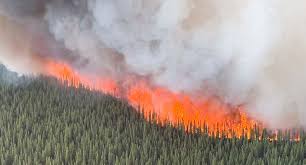
Persons with respiratory problems are having difficulty breathing when outside Wildfire smoke is a mixture of gas and tiny bits of matter called particulate matter
Alaskas Department of Environmental Conservation is advising people with respiratory illness or heart disease the elderly and children to avoid exposure to
 smoke When in areas of smoke their advice is to avoid outdoor activities or physical exertion
Wildfires can often make symptoms of OSA worse so its important to avoid breathing in smoky air as much as possible While breathing in smoky air isnt good for anyone it can be particularly harmful to people with pre existing lung conditions and obstructive sleep apnea
Consultants are now studying the impact of wildfires and the particulate matter that they leave behind like soot char and ash So even after a fire has been contained you and your family should be aware that these pollutants may have an impact on how easily you can breathe when you go outside
How does wildfire smoke affect your CPAP
Living with sleep apnea in an area that is prone to evacuation orders because of wildfires means that you need to heed a specific warning If you need to evacuate make sure to go somewhere where you can treat your sleep apnea
Sleep apnea equipment needs a reliable source of power so if you need to evacuate your home make sure you can get to a place that can provide power for your CPAP machine Studies have shown that getting good and consistent sleep during times of emergency is particularly important for people with chronic health conditions
This may involve some planning ahead and careful attention to the forecast If it looks like conditions are worsening it may make sense to leave early and get somewhere with reliable power to ensure that you can continue to treat your sleep apnea even when you are not at home
A good nights sleep and air pollution
In a recent study published in the Annuals of the American Thoracic Society researchers looked at the link between obstructive sleep apnea and air pollutants
The authors of the study found that people who lived in areas with higher amounts of these two types of pollution were more likely to have obstructive sleep apnea
 Sleep apnea is a potentially serious sleep disorder in which breathing repeatedly stops and starts during sleep Obstructive sleep apnea is the more common type It occurs when the throat closes and blocks the flow of air
In the study the link between air pollution and sleep apnea still remained even after researchers took into account other factors that could affect the results such as body mass index high blood pressure diabetes smoking and family income
Polluted air can make it difficult for anyone being treated for sleep apnea to breathe easily if they are not using their CPAP machine properly
On a typical clean air day in Alaska the recommendation for replacing your CPAP filters is on a monthly basis
However more frequent changes of the filter might be in order if your air is especially polluted such as during forest fire season or when it is especially dusty You might also consider changing filters after you catch a cold or when you start to smell odors in your mask
Filters are generally at the back of the machine over the air intake They are often gray or white in color Typically CPAP filters are covered by insurances at a frequency of two disposable filters per month
Learn more of ASCs tips for successfully using your CPAP machine here
How pollution affects airways
Many factors contribute to sleep apnea These would need to be considered in future studies such as noise and light pollution different types of sleep environments stressors and shape of the airway
Research shows that air pollutants can cause some upper airway swelling and irritation in people and animals
This swelling could worsen sleep apnea depending on where its located and how severe Make sure you know what it is like outside by checking the Department of Environmental Conservation link regularly to get the most up to date information like the diagram below

How Can Alaska Sleep Clinic Help
CPAP filters help to clean the air generated by the CPAP machine In general fine filters should be replaced every four weeks People living in homes with smoke seeping in from these Alaska wildfires need to replace CPAP filters more frequently
Alaska Sleep Clinic wants to make this task as easy as possible Right now we are offering a FREE set of filters for your CPAP machine so you can breathe a little easier until the wildfire season passes
Contact Alaska Sleep Clinic today to find out how you can get a set of filters for FREE