


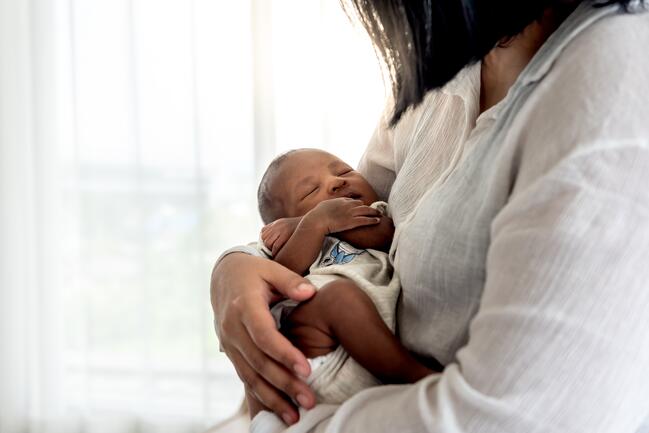
Newborns and infants sleep around 14 17 hours a day That is if they manage to get enough proper sleep Babies need to sleep to develop and grow properly Sleep also improves their immunity and health
However putting babies to bed is a common struggle many first time parents experience So if youre having a hard time with yours youre not the only one Even if your baby falls asleep its still possible for them to wake up in the middle of the night for various reasons which youll learn from this article
Despite this issue there are many ways you can help your infant fall back asleep Some methods take multiple attempts with expected failed results Meanwhile others take a lot of practice before you finally achieve getting a peacefully sleeping baby every time
To help you on your parenthood journey read on to learn the signs of sleep problems in infants and how to help them fall asleep faster and more often
Waking Up In The Middle Of Sleeping
Infants tend to wake up while sleeping due to a variety of reasons Sometimes they feel discomfort caused by the temperature of the room or something uncomfortable on their bed Other times they have sudden hunger pangs This case is prevalent among newborns who need more feeding sessions than older babies
Most parents can solve this by adjusting the temperature or ensuring there are no foreign objects beside the infant that could cause them harm If your baby is hungry breastmilk or warmed up formula like one from Serenity Kids should lull them to sleep
Another reason your baby may be waking up in the middle of the night is that they could be teething Growing teeth is a natural yet painful process thats a vital part of an infants development If you suspect this to be the leading cause consult your babys pediatrician They will prescribe an infant safe pain reliever to reduce the soreness
Crying When You Leave Their Side
Most babies feel peak comfort when their parent is nearby Thats why your little one might start crying when you leave the bed or the room Its a regular occurrence in many households and its not the end of the world if your infant wakes up after youve rocked them to sleep
Babies have a way of settling down on their own or soothing themselves after some time passes and youre still not near them If youre sure that nothing is making them uncomfortable you can watch them from a distance and wait until they start to fall asleep again Watching your infant cry and not doing anything about it may be heartbreaking But they must also learn how to calm themselves independently
However if the crying persists get closer and softly talk to your baby while gently rubbing their back or belly Remember to do this while theyre still lying down on their bed If you pick up your baby you could risk waking them up and youll have to go through the process of making them sleep again
Staying Awake Without Your Presence
Babies are naturally clingy towards their parents since parents carry them for most of their early months and years Hence some infants refuse to fall asleep when their primary caretaker is not with them When this is the reason for your babys inability to sleep for extended periods dont fret Once again this is common among very young babies and newborns
The first thing you should do is not to put down your infant on their bed while theyre still wide awake You can however lay them down awake but drowsy Ensure that the nursery room has a comfortable temperature to prevent the cold from waking the baby up too soon You can even warm their bed beforehand to imitate the natural warmth of the human body
When laying your infant keep them close to you until theyre entirely set down This method is a way of helping them transition from your arms to their bed Thus warming the babys bed is almost essential If your little one begins fussing while lying down you can play white noise or gentle music especially if theres startling noise like rain that keeps your baby awake
While there are specific remedies for particular sleeping issues among babies there are also broader solutions to reduce these problems from happening frequently
Here are some safe and time tested methods to help your infant get more restful sleep quickly
Stick With A Sleeping Schedule
The basics of baby sleeping include new practices a first time parent should learn One is to introduce a pattern to your newborn as early as possible You may not always be able to satiate their hunger following a strict schedule but you could still make them sleep at certain times of the day
They may not have a fully developed circadian rhythm until 12 weeks old But infants can still become attuned to a standard wake sleep pattern if you introduce it early To do this include your baby in your morning activities like walking in the park or watching TV Once night falls you can incorporate a daily bedtime routine for them such as
Giving your baby a warm bath
Reading childrens books
Playing lullaby music
Establishing a sleep routine for your infant gets them used to sleeping when you are The low intensity activities also prevent overstimulation and are perfect for getting them to fall asleep faster Your child must learn that once the sun goes down they have to lay down and sleep too
Keeping infants awake and aware while the sun is up will help them adjust their internal body clock Practice the routine consistently so your baby will eventually doze off on their own without fuss when its nighttime
Avoid Stimulating Activities Before Bedtime
If you find yourself staying up because of loud sounds and bright lights what more if you were an infant trying to sleep Parents who still play with their babies before bedtime usually have problems getting them to sleep at night
To get your baby to sleep when you want them try practicing relaxing activities to usher them into bed That means removing toys and turning off TVs and baby devices that produce sounds or light Slowly transition them into sleep mode by playing softer music or laying them on their crib when they start to look drowsy If your baby is old enough age one and above you may give them their blanket or stuffed toy to indicate its time for bed
Stimulating activities will keep their young minds active and curious so when this happens its challenging to get them to settle down for sleep Lessening the action and slowing down will help them relax enough to feel sleepy
Pat And Soothe When Needed
As mentioned patting and soothing a fussy baby is one way to help them get back to sleep Usually they can fall asleep on their own after a while even without your assistance but sometimes you need to step in Comfort your waking infant as required but ensure you let them remain on their bed You can practice this method repeatedly throughout the night until your baby ceases crying and falls asleep again
Often you dont even need to soothe them immediately when you see them opening their eyes or banging their head while asleep These are body movements typically seen in infants and are generally of no cause for concern Theyre often still very much asleep when this happens But you can stand at a distance in the meantime to observe them until youre sure they can sleep independently
Conclusion
Making an infant fall asleep is a problem parents worldwide face Thankfully there are some trusted methods to calm babies down for sleep However each baby is different and some techniques may not work immediately or at all for yours
Trial and error is the key to finding out which one is appropriate for you and your baby But generally these are the basics that many parents and doctors swear by so you could try them out to help your infant get better sleep
You may need to take your infant to a doctor who is a sleep specialist If so you should schedule an appointment at Alaska Sleep Clinic an accredited sleep disorders center ASC not only specializes in pediatric sleep but we are one of only two sleep centers in Alaska with a Pediatric Medical Director Dr Harry Yuan will review your infants history and symptoms If needed the doctor will schedule your infant for an overnight sleep study This kind of study is called a polysomnogram It is the best way to evaluate your childs sleep With the results of this study the doctor will be able to develop an individual treatment plan for your child
It is also important to know if there is something else that is causing your childs sleep problems A sleep specialist can look for other conditions that may be involved These include
Another sleep disorder
A medical condition
Medication use
A mental health disorder
The doctor will need to know if your child was born premature or full term He or she will also need to know your childs weight at birth Inform the doctor of any complications that you or your baby had during or after delivery Describe the problems you have observed and when you first noticed them
An infant who has persistent breathing problems during sleep may need an overnight sleep study This study is called a polysomnogram It charts your childs brain waves heartbeat and breathing during sleep It also records arm and leg movements The sleep study will reveal the nature of your infants breathing problem It also will show the severity of the problem The study requires your child to spend the night at the sleep center A parent or guardian also will need to stay at the sleep center with the child
FREE Pediatric Sleep Studies e book
Treatment
Infants with infant sleep apnea may need a machine to provide breathing support They also may need treatment with medications Both of these options tend to be short term treatments
Infant sleep apnea tends to go away as the child grows and matures Ninety eight percent of preterm infants will be free of symptoms by 40 weeks after conception The problem is more likely to persist longer in infants who were born less than 28 weeks after conception
Any medical condition that causes infant sleep apnea or makes it worse also needs to be treated The treatment will depend on the nature of the medical problem
Long term complications are rare for most children with infant sleep apnea Problems are more likely for infants who need frequent resuscitation Health problems also are more common if the infants sleep apnea is related to another severe medical condition The great news for parents is that many times when sleep apnea is properly diagnosed and treated a child can grow into a healthy adult with no sleep issues
Download The Pediatric Questionnaire